
The Cultural Significance of Khinkali in Georgian Culinary Tradition
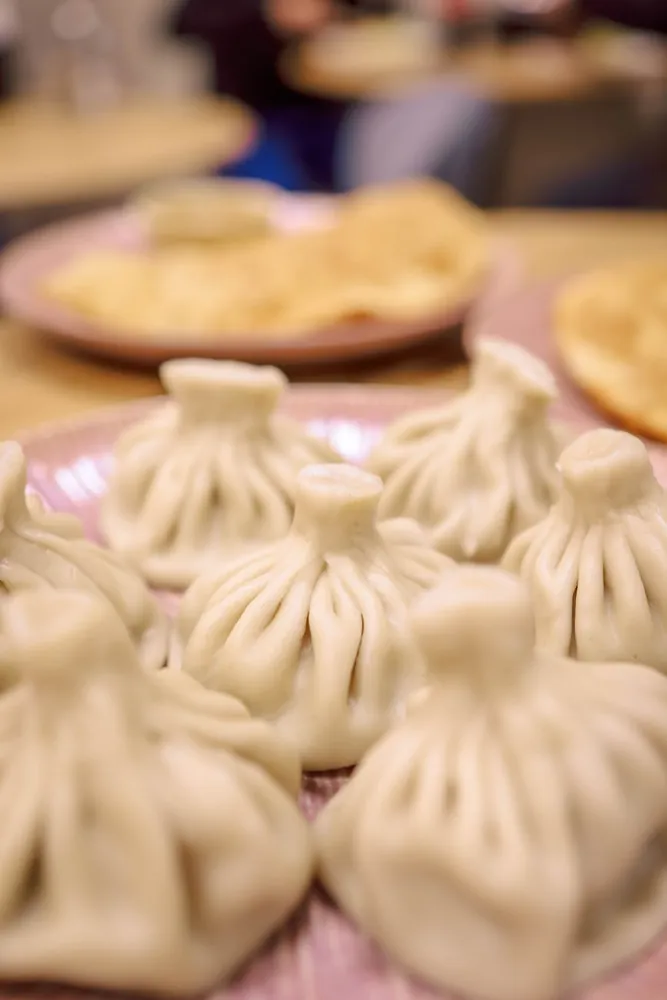
The Origins of Khinkali
Khinkali, the iconic Georgian dumpling, is much more than a popular dish—it's a symbol of the country's rich cultural tapestry. Originating from the mountainous regions of Georgia, khinkali was initially crafted as a hearty meal for shepherds and travelers. Over time, it has evolved into a culinary masterpiece that embodies the spirit of Georgian hospitality.
The name 'khinkali' is believed to be derived from the Svan language, indicating its deep roots in local traditions. Traditionally, these dumplings are filled with a mix of spiced meats and served piping hot, making them a perfect comfort food during the cold mountain winters.
The Art of Making Khinkali
Ingredients: The Heart of Khinkali
The authenticity of khinkali lies in its simple yet flavorful ingredients. Here's what you need to make a classic batch:
- Dough: All-purpose flour, water, and salt.
- Filling: Typically a mixture of ground beef and pork, onions, garlic, and an array of spices such as black pepper and coriander.
- Optional herbs: Some variations include fresh parsley or cilantro for added flavor.
The choice of ingredients can vary across different Georgian regions. For instance, some families prefer adding lamb to the meat mix for a richer taste, while others might incorporate mushrooms or cheese for unique variations.
The Dough: Crafting the Perfect Pocket
The dough is crucial in defining the texture and experience of khinkali. To achieve the perfect elasticity, combine flour, water, and a pinch of salt. Knead until smooth and let it rest for about 30 minutes. This allows the gluten to develop, ensuring that the dough is pliable enough to encase the filling without breaking during cooking.
Once rested, roll out the dough into thin sheets. Using a circular cutter or glass, cut out circles approximately 4 inches in diameter. These will form the base of your khinkali.
Filling: A Symphony of Flavors
Preparing the filling is an art in itself. Mix the ground meat with finely chopped onions and garlic, seasoning generously with black pepper and coriander. The key to an exceptional filling is achieving a juicy consistency. Add a little water or broth to create a more succulent mixture, which will release flavorsome juices as it cooks inside the dough pocket.
To assemble, place a spoonful of filling in the center of each dough circle. Carefully gather the edges into pleats, twisting them at the top to seal the dumpling. A well-made khinkali should have 18 to 20 pleats—a sign of true craftsmanship.
Cooking Techniques: Boiling vs. Steaming
Boiling: Traditional Method
The most common method for cooking khinkali is boiling. Bring a large pot of salted water to a boil, then gently lower the dumplings in batches. Cook until they float to the surface, which usually takes about 7-10 minutes depending on their size. This method ensures that the dough becomes tender while preserving the juicy interior.
Pros: Quick cooking time and retains moisture well.
Cons: Requires careful handling to prevent breaking.
Steaming: A Modern Alternative
For those seeking a lighter option, steaming is a viable alternative. Arrange khinkali on a steaming tray lined with cabbage leaves or parchment paper to prevent sticking. Steam for about 15-20 minutes until fully cooked.
Pros: Maintains structural integrity and is less likely to burst.
Cons: Takes longer than boiling and might result in a firmer dough texture.
Serving Khinkali: Enhancing the Experience
The Correct Way to Eat Khinkali
Eating khinkali is an experience itself, one that requires a bit of technique. The traditional way is to hold it by the pleated top, take a small bite from the side, and sip the broth inside before devouring the rest. The top knot is often left uneaten as a handle.
This method not only showcases appreciation for the dish but also emphasizes its cultural importance as a shared experience among friends and family.
Accompaniments: Elevating Khinkali
Khinkali is typically enjoyed plain or with a dusting of black pepper. However, some enthusiasts like to pair it with traditional Georgian sauces such as Tkemali, a tangy plum sauce, or Svanetian Salt, which adds an extra layer of flavor complexity.
Conclusion: Khinkali Beyond Borders
While khinkali remains a beloved dish in Georgia, its popularity has transcended borders, appearing in various international culinary scenes. Whether you're savoring it at a bustling Tbilisi market or crafting it in your own kitchen, khinkali offers a glimpse into Georgian life and its rich culinary history.
The dish's enduring appeal lies in its simplicity and depth of flavor—a testament to its cultural significance and adaptability. As you delve into making your own khinkali, remember that each pleat represents not just culinary skill but a connection to centuries-old traditions.