
the art of making kimchi: traditional methods and flavor profiles
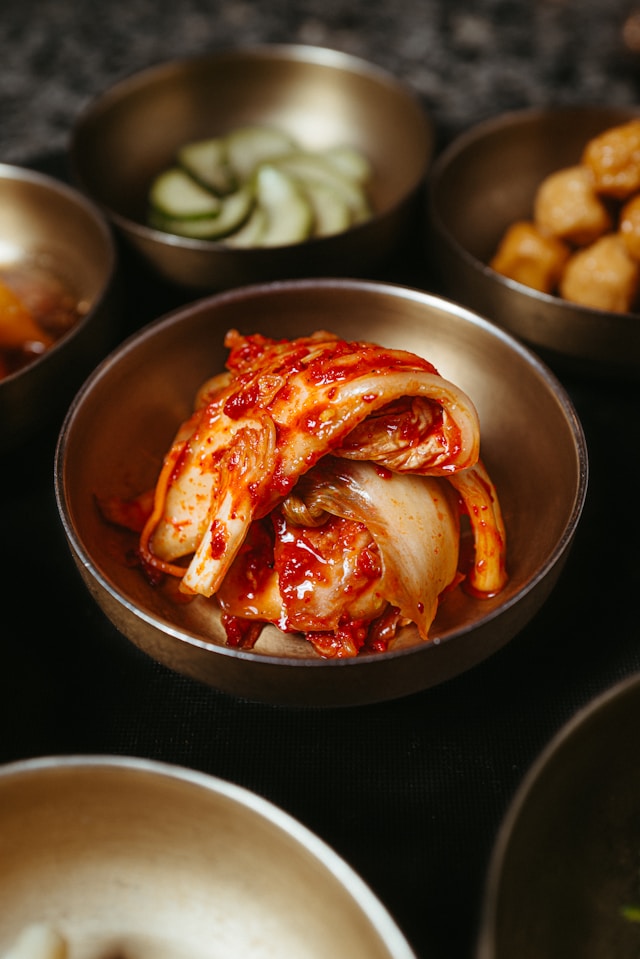
The Cultural Heritage of Kimchi
Kimchi is more than just a dish; it's a symbol of Korean heritage and culinary artistry. With its roots deeply embedded in Korean history, kimchi represents the ingenuity of preserving vegetables through fermentation, a method developed out of necessity to endure harsh winters.
Traditional kimchi-making, or 'gimjang', is a communal event where families gather to prepare large batches of kimchi together, fostering community spirit and cultural continuity. This seasonal activity not only ensures a supply of this staple food throughout winter but also reinforces familial bonds and traditions.
The Building Blocks: Essential Ingredients for Authentic Kimchi
Authentic kimchi relies on a harmonious blend of ingredients, each contributing to its complex flavor profile. The key components include:
- Napa Cabbage: The most commonly used base, providing a tender yet crunchy texture.
- Korean Radish (Mu): Adds a crisp bite and subtle sweetness.
- Gochugaru: Korean red pepper flakes that impart heat and color.
- Garlic and Ginger: Offer pungency and depth.
- Fish Sauce or Salted Shrimp (Saeujeot): Provide umami richness.
- Scallions: Bring freshness and a mild onion flavor.
The balance of these ingredients determines the unique character of each kimchi variant.
The Fermentation Process: Timing is Everything
The magic of kimchi lies in its fermentation process. Controlled by temperature and time, fermentation develops the distinct tangy flavor while enhancing the nutritional profile. Traditionally, kimchi is stored in cool, underground pots called 'onggi', allowing it to ferment gradually over weeks or even months.
For modern home cooks, a refrigerator will suffice:
- Short Fermentation (1-2 weeks): Yields a fresher, crunchier kimchi with mild acidity.
- Medium Fermentation (3-4 weeks): Produces a well-rounded flavor with balanced sourness.
- Long Fermentation (1+ months): Offers deep umami complexity and robust tanginess, ideal for stews and pancakes.
Flavor Variations: Exploring the Spectrum
While traditional napa cabbage kimchi is well-known, regional and personal preferences have led to numerous variations:
- Bachelor's Kimchi: Made without radish, it is spicier and fermented for a shorter time.
- Water Kimchi (Mul Kimchi): A refreshing variety using radish or cucumber in a light brine, perfect for summer.
- White Kimchi (Baek Kimchi): Non-spicy, it's seasoned with fruits like Asian pear for sweetness, appealing to those sensitive to spice.
Experimenting with different vegetables such as bok choy or carrots can further expand your kimchi repertoire.
The Health Benefits: A Probiotic Powerhouse
Kimchi is revered not only for its taste but also its health benefits. As a fermented food, it's rich in probiotics that support gut health, digestion, and immunity. Additionally, the ingredients in kimchi are packed with vitamins A, B, and C, along with antioxidants and dietary fiber.
The fermentation process enhances nutrient absorption and promotes beneficial bacteria growth, making kimchi a functional food with a wealth of health-promoting properties.
Your Guide to Making Homemade Kimchi
Creating your own kimchi at home can be an immensely rewarding culinary project. Follow this step-by-step guide to get started:
- Preparation: Cut 2 heads of napa cabbage into quarters. Dissolve 1 cup of salt in 10 cups of water and soak the cabbage for 6-8 hours. Rinse thoroughly to remove excess salt.
- Paste Creation: Blend 1 cup gochugaru, 1/4 cup fish sauce, 3 tbsp minced garlic, 2 tbsp minced ginger, and 1 tbsp sugar to create a paste. Adjust seasoning as desired.
- Mixing: Combine cabbage with paste, sliced radish, scallions, and carrots if using. Ensure even distribution by massaging the paste into the leaves.
- Packing: Transfer the mixture to glass jars or airtight containers. Press down to minimize air gaps and leave some space for expansion.
- Fermentation: Leave at room temperature for 1-2 days before transferring to the refrigerator. Taste daily to monitor flavor development.
A Mini-Framework for Creative Kimchi Variations
To craft your own signature kimchi variation, consider this framework:
- Select Your Base: Beyond napa cabbage, try kale or Swiss chard for different textures.
- Add Complexity: Experiment with fruits like apple or mango for sweetness.
- Tweak Heat Levels: Vary gochugaru amounts or substitute with different chili peppers.
- Enhance Umami: Use soy sauce or miso in place of fish sauce for a vegetarian option.
This flexibility allows you to personalize your kimchi while still respecting traditional techniques.