
Exploring Three Cooking Techniques: Which Method Enhances Vegetable Flavor Best?
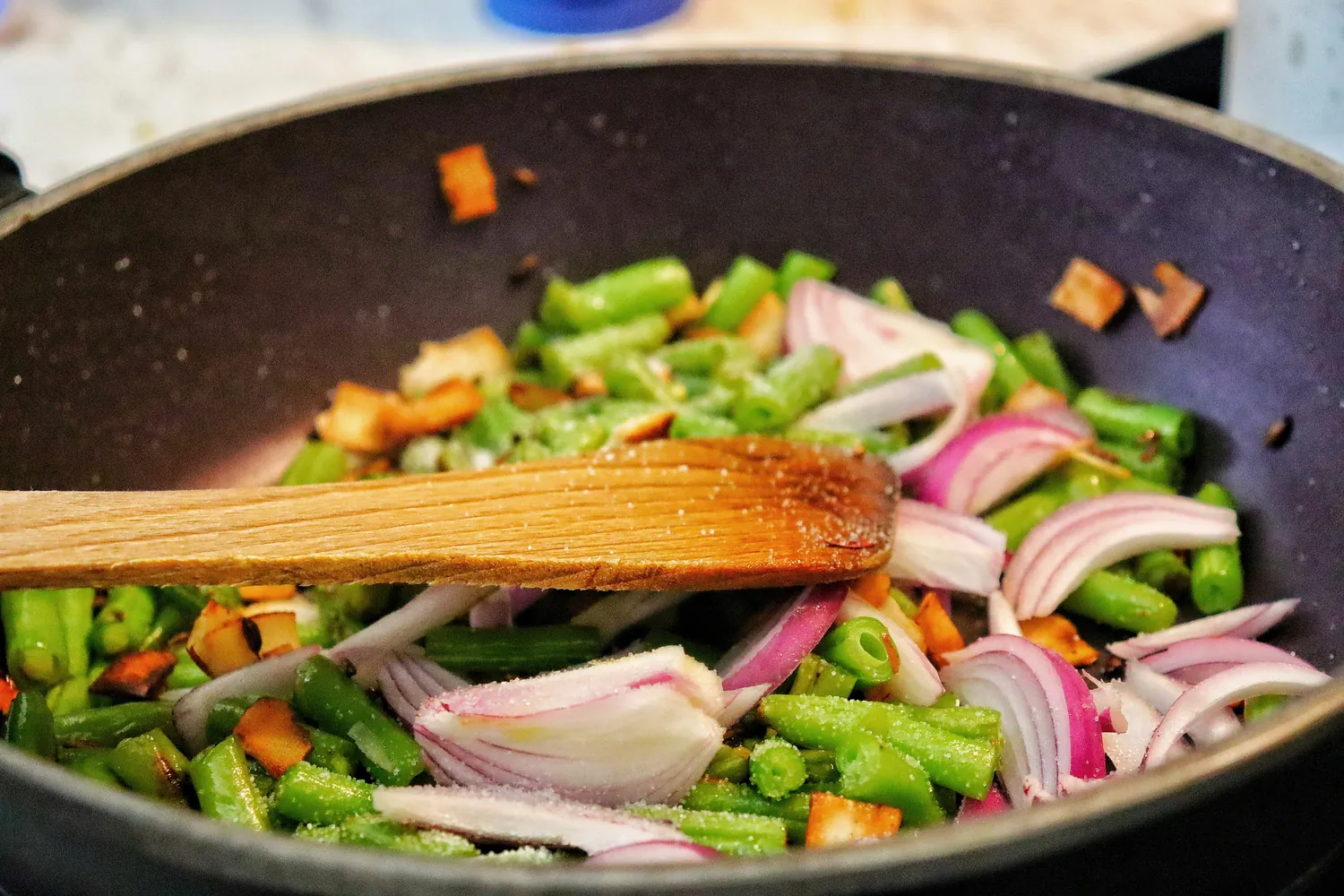
The Art of Cooking Vegetables: Choosing the Right Technique
When it comes to cooking vegetables, the technique you choose can significantly impact not only the flavor but also the nutritional content and overall appeal of the dish. While there are numerous ways to prepare these nutrient-packed delights, this article focuses on three popular methods: baking, grilling, and steaming. Each of these techniques brings out unique qualities in vegetables, making them suitable for different types of meals.
Baking: The Slow Roast that Brings Depth
Baking is a dry-heat cooking method that involves surrounding the food with hot air in an oven. This technique is known for enhancing the natural sweetness and intensifying the flavors of vegetables. Vegetables like carrots, sweet potatoes, and beets benefit greatly from baking as the heat caramelizes their sugars, resulting in a rich, deep flavor profile.
Pros of Baking
- Flavor Concentration: Baking helps in concentrating flavors by removing moisture slowly, making it ideal for root vegetables.
- Even Cooking: The enveloping heat ensures even cooking, which is crucial for larger pieces.
- Ease and Versatility: Once prepped, vegetables can be placed in the oven allowing for hands-off cooking.
Cons of Baking
- Time-Consuming: Baking can take longer than other methods, often up to an hour depending on the vegetable and temperature.
- Energy Use: Ovens consume more energy compared to stovetop methods.
When using baking to enhance flavors, consider pairing with spices like rosemary or thyme that can withstand high heat. A typical workflow might involve preheating the oven to 400°F, tossing vegetables with olive oil and seasoning, and spreading them evenly on a baking sheet.
Grilling: Adding a Charred Dimension
Grilling involves cooking over direct heat, usually from below, and is renowned for imparting a smoky flavor that many find irresistible. Vegetables such as bell peppers, zucchini, and asparagus are particularly suited for grilling due to their ability to hold up well over open flames without losing texture.
Pros of Grilling
- Flavor Enhancement: The charred marks add a distinct smoky flavor that enhances natural vegetable taste.
- Quick Cooking Time: High heat results in faster cooking compared to baking.
Cons of Grilling
- Risk of Overcooking: It's easy to overcook or burn vegetables if not carefully monitored.
- Limited Indoor Use: Generally requires an outdoor setup or specialized indoor equipment.
A useful tip when grilling is to use a grill basket to prevent smaller pieces from falling through the grates. Marinating vegetables beforehand can also add additional layers of flavor; for example, a simple marinade of balsamic vinegar and herbs can complement grilled portobello mushrooms beautifully.
Steaming: Preserving Purity and Nutrition
Steaming is a moist-heat cooking method where food is cooked using vaporized water. It is revered for its ability to preserve the nutritional content of vegetables while maintaining their vibrant colors and crisp texture. Broccoli, green beans, and spinach are exemplary candidates for steaming.
Pros of Steaming
- Nutritional Retention: Minimal nutrient loss as no direct contact with water occurs.
- No Added Fats: Perfect for those looking to maintain a low-fat diet as it requires no oil or butter.
Cons of Steaming
- Lack of Flavor Complexity: May result in blandness if not seasoned well post-cooking.
- Lesser Textural Contrast: Can lack the crispy textures found in other methods like grilling.
For best results when steaming, season vegetables immediately after cooking with herbs and a drizzle of quality olive oil or lemon juice. This approach not only enhances the flavor but also adds a subtle gloss to the presentation.
Choosing the Right Technique for Your Dish
The key to choosing the right technique lies in understanding what you want from your dish. If you’re aiming for depth and richness, baking might be your best bet. Looking for a smoky touch? Grilling offers that charred essence. On the other hand, if retaining nutrients is your goal, steaming provides an excellent option without compromising health benefits.
Combining Techniques for Complex Flavors
A noteworthy approach is combining techniques to leverage their strengths. For instance, try steaming broccoli until nearly tender and then transferring it to a hot grill for a few minutes to add some charring. This dual method delivers both nutritional retention and enhanced flavor complexity.
Ultimately, each method has its place in the kitchen repertoire. By experimenting with these techniques, you'll discover new ways to highlight the natural flavors of vegetables in your culinary creations. Whether you're roasting winter squash or grilling eggplant slices, each method offers its own unique advantages that can bring your vegetable dishes to life.