
Exploring How Location Influences Classic Chili Recipe Variations
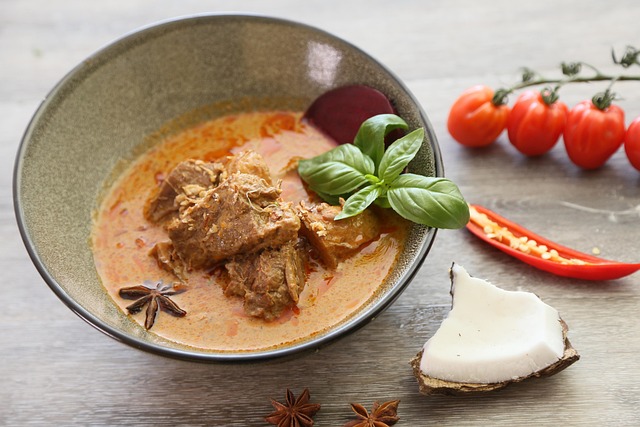
The Art of Chili: A Culinary Journey Across Regions
Chili, a dish synonymous with warmth and comfort, is a delightful tapestry woven from spices, meats, and beans. Despite its simple essence, chili's magic lies in its regional diversity, offering a spectrum of flavors that vary dramatically across the United States. This exploration takes us through the heart of three iconic chili variations: Texas, Cincinnati, and New Mexico. Each represents a unique cultural narrative and culinary tradition.
The Bold Simplicity of Texas Chili
At the heart of Texas chili, or 'chili con carne', is a rugged simplicity befitting its origins in cattle-driving culture. The Lone Star State stakes its claim with a beanless recipe, heavily focused on the quality of meat and the depth of spices.
Ingredients and Preparation
In Texas, chili purists advocate for chunks of beef, often opting for brisket or a well-marbled chuck roast. The choice of meat is critical, as it imparts the hearty texture that defines this variation. Here's a traditional ingredient list:
- Beef: Cubed chuck roast or brisket.
- Chili peppers: A combination of dried ancho and pasilla peppers provides smokiness and heat.
- Spices: Cumin, garlic powder, and oregano are must-haves.
- Tomato base: Often excluded or minimized to allow the chili flavor to dominate.
The preparation involves roasting the dried peppers to unlock their flavors before blending them into a paste. This paste, along with browned meat, is simmered slowly to create a rich, robust stew.
Cooking Tips for Authentic Texas Chili
A successful Texas chili hinges on the balance of flavors and textures. Here are some tips to master this style:
- Searing Meat Properly: Brown the beef over high heat to create a flavorful crust that enriches the stew.
- Patience in Simmering: Slow-cook for at least two hours to allow the meat to tenderize and the flavors to meld.
- Seasoning Wisely: Taste as you cook. The intensity of spices can deepen over time.
The Unique Sweetness of Cincinnati Chili
Cincinnati chili is a testament to immigrant ingenuity, reflecting Greek culinary influences. It stands apart with its distinctive blend of sweetness and spice, often served over spaghetti with a medley of toppings.
Ingredients and Preparation
This variation embraces an aromatic and somewhat unexpected ingredient list:
- Meat: Ground beef forms the base.
- Spices: A mix that includes cinnamon, allspice, and sometimes chocolate gives it a unique profile.
- Toppings: Shredded cheese, chopped onions, and kidney beans are traditional garnishes.
The process begins by boiling the ground beef rather than browning it, which results in a finer texture. The slow-cooked sauce incorporates spices slowly to build complexity.
Enjoying Cincinnati Chili: The “Ways” System
Cincinnati chili is traditionally served as part of a “ways” system, ranging from two-way to five-way:
- Two-way: Chili served over spaghetti.
- Three-way: Adds cheddar cheese to the mix.
- Four-way: Incorporates onions or beans (four-way onion or four-way bean).
- Five-way: Includes all toppings—cheese, onions, and beans—over spaghetti.
The Earthy Depths of New Mexico Chili
New Mexico brings a deep cultural heritage to its chili cuisine, prominently featuring native chili varieties. Known for its rich flavors and diverse heat levels, New Mexican chili dishes stand out with their vibrant red or green sauces.
Ingredients and Preparation
The choice between red or green chilis defines this region’s dishes. Here's what sets them apart:
- Chiles: Hatch chiles are iconic, providing either a mild or fiery kick depending on their preparation.
- Pork or Beef: These meats often serve as the protein foundation.
- Additions: Garlic, onions, and tomatoes enrich the sauce's complexity.
The preparation involves roasting fresh chiles to enhance their flavor before they are blended into smooth sauces that bathe meats and vegetables.
Tasting Tradition: Red vs. Green
A common question in New Mexico is whether to choose red or green chile—often answered simply as “Christmas” for both. Here’s what each offers:
- Red Chile: Made from ripened chiles; usually has a sweeter, deeper flavor profile.
- Green Chile: Features younger chiles; known for its fresh, piquant taste.
Cultural Reflections: How History Shapes Flavor
The evolution of these chili recipes mirrors migration patterns and cultural exchanges. The earthy heartiness of Texas chili reflects the cattle herding culture and rugged landscapes; Cincinnati chili embodies immigrant adaptations with Mediterranean flair; New Mexican varieties echo native traditions and agricultural bounty.
The Influence of Ingredients
The distinct climates and agricultural conditions of each region profoundly influence ingredient choices. For example, Texas's preference for beef aligns with its ranching history, while New Mexico's reliance on native chiles showcases its indigenous roots.
Navigating Regional Preferences
A cook’s understanding of local palates guides these adaptations. In Texas, diners expect bold simplicity; in Cincinnati, they appreciate sweet-spiced surprises; while in New Mexico, they relish chile’s natural heat harmonized with earthiness.
Your Culinary Experimentation
If you're inspired to experiment with these regional variations in your own kitchen, consider the following tips:
- Create your version by mixing elements from each region—try incorporating New Mexico's green chiles into a Texas-style base for an adventurous twist.
- Taste frequently as you cook. Adjust seasoning gradually to suit personal preferences without straying too far from traditional profiles.
No matter which version you embrace or invent, remember that at its core, chili is about shared warmth around tables—a celebration of flavors that transcend geography but stay rooted in their stories.