
Achieving the Ideal Crust: Essential Techniques for Artisan Bread Making
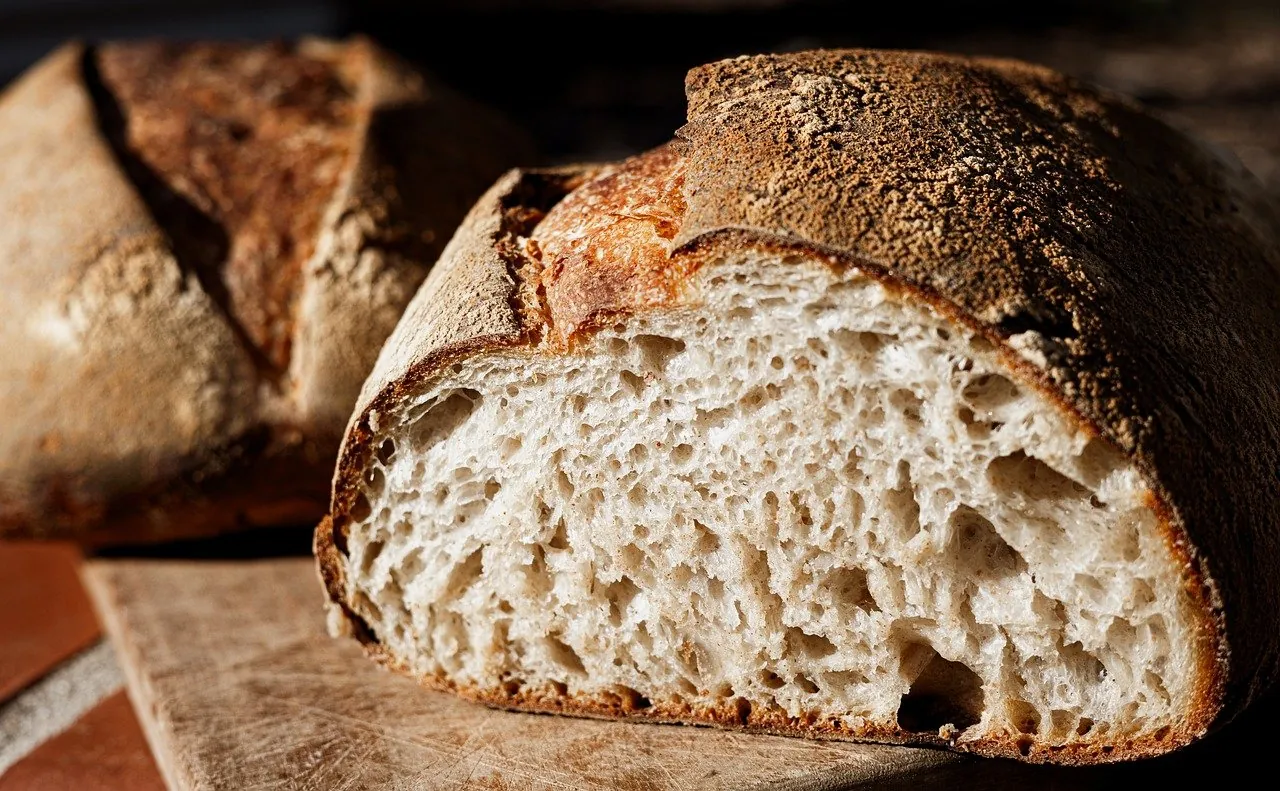
The Art of Artisan Bread Making
Creating a perfect artisan bread loaf at home can seem like an intimidating task. However, with the right techniques, particularly when it comes to achieving that desirable crusty exterior, it becomes an achievable and rewarding endeavor. This article delves into the essential practices you need to master to bake a crusty, artisan-style bread in your kitchen.
The Science Behind the Crust
A beautifully crunchy crust is often what sets apart a homemade loaf from its store-bought counterpart. The secret lies in the Maillard reaction, a chemical interaction between amino acids and reducing sugars that gives browned foods their distinctive flavor and aroma. In bread baking, the crust forms when dough moisture evaporates and caramelizes on the surface due to high baking temperatures.
Hydration Levels
One of the key factors in achieving a great crust is the dough's hydration level. High-hydration doughs, typically with more than 70% water relative to flour, tend to produce a more open crumb structure and a better crust. The added water ensures that the dough expands during baking, allowing more surface area for the Maillard reaction.
- Example: For a basic country loaf, try starting with 500g of flour and 350-375g of water. Adjust based on your environment's humidity and temperature.
Increasing hydration can make dough handling more challenging, so don't be discouraged if it takes a few tries to get it right.
Essential Techniques for Artisan Bread Making
Proper Kneading and Fermentation
Good gluten development is crucial for trapping gases released during fermentation, which helps create that airy crumb and sturdy structure essential for a good crust.
Kneading: While traditional kneading involves vigorously folding and stretching dough, many artisan recipes employ a 'stretch and fold' technique. This method is gentler and works well with high-hydration doughs. Perform this process every 30 minutes during bulk fermentation for about two hours.
Fermentation: Longer fermentation times contribute to complex flavors and improved texture. A slow, cold rise in the fridge overnight allows enzymes to break down the flour's starches into simpler sugars, enhancing flavor and browning during baking.
Use of Steam
Steam plays a vital role in forming the perfect crust by keeping the dough surface moist during the initial baking phase. This moisture delays hardening, enabling maximum oven spring (dough rising) before the crust sets.
- Technique: Place a metal tray at the bottom of your oven while it preheats. As soon as you put your bread in, pour hot water into this tray to generate steam. Alternatively, use a preheated Dutch oven with its lid on to trap steam from the dough itself.
Baking Methods
The method you use for baking can significantly affect your bread's crust quality. Here are some tried-and-true methods for success:
- Stone Baking: Using a pizza stone or baking steel provides even heat distribution and encourages a crispier crust. Preheat your stone in the oven for at least 45 minutes at your target baking temperature.
- Cast Iron/Dutch Oven: Preheat with your oven. The enclosed environment traps steam released from the dough, which promotes optimal crust development. Remove the lid halfway through baking to allow direct heat exposure for browning.
Troubleshooting Common Issues
If you're experiencing difficulties achieving the desired crust, consider these solutions:
- Pale Crust: Ensure your oven is fully preheated before inserting your bread. Consider increasing sugar content slightly for better caramelization.
- Tough Crust: Could indicate too much baking time or insufficient hydration. Experiment by slightly reducing bake time or increasing dough hydration.
A Mini-Framework for Artisan Bread Making
This framework will help guide your artisan bread journey:
- Mix: Combine flour, water, yeast, and salt. Let sit for autolyse period (20-40 mins).
- Knead/Fold: Use stretch-and-fold techniques during initial fermentation phase.
- Proofing: Shape and let rise until doubled in size; an overnight cold proof is beneficial.
- Bake: Preheat with stone or Dutch oven; use steam during initial bake.
Conclusion: Crafting Perfection
Baking artisan bread requires patience and practice but mastering these techniques will allow you to achieve that perfect crust at home. Keep experimenting with hydration levels, fermentation times, and baking methods until you find what works best for you. With each loaf, you'll become more attuned to the intricacies of artisan bread making, ultimately crafting loaves that rival those of any bakery.