
Innovative Strategies for Crafting Balanced Weekday Meal Prep Solutions
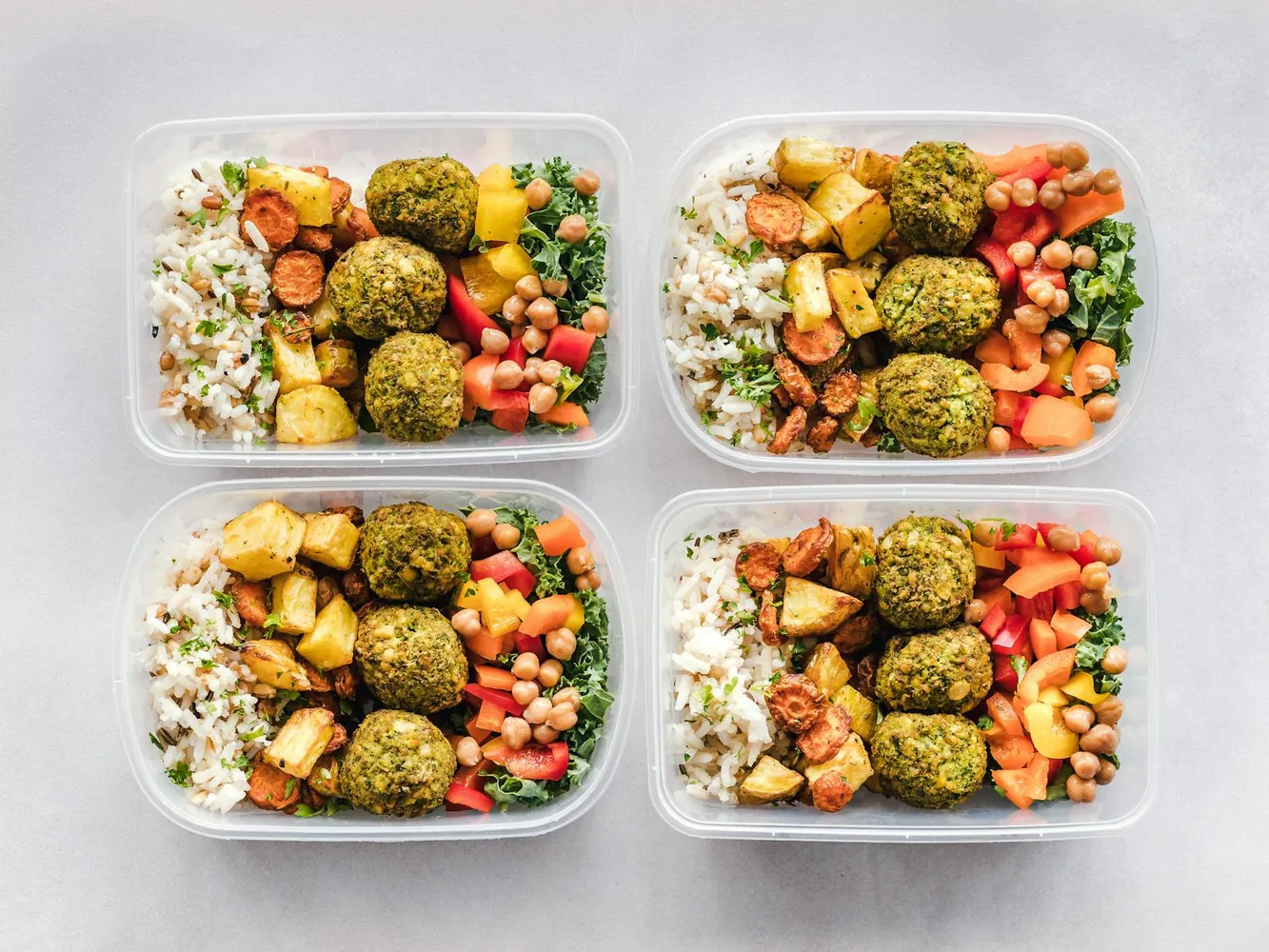
Designing Your Meal Prep Framework
Preparing balanced meal prep solutions that cater to a variety of tastes doesn't have to be a daunting task. By using a simple framework consisting of a protein, grain, and vegetable mix, you can simplify planning while enhancing variety. This approach not only ensures that your meals are nutritionally balanced but also allows flexibility in adapting to different dietary preferences and seasonal ingredients.
The Core Components: Protein, Grain, and Vegetables
Protein: Consider proteins as the building block of your meal prep. They provide the essential amino acids your body needs to function optimally. Options are abundant: chicken, turkey, tofu, lentils, chickpeas, or fish such as salmon or cod. For instance, grilled chicken breast can easily be paired with any grain or vegetable without overwhelming the dish's flavor profile.
Grains: Grains act as the base for most meal prep bowls. They're versatile and provide the energy needed to power through the day. Options include quinoa, brown rice, farro, or bulgur. A hearty choice like quinoa is gluten-free and rich in protein itself, complementing your primary protein source.
Vegetables: Vegetables add color, nutrients, and texture to your meal. Think beyond traditional salads to roasted root vegetables, stir-fried greens, or raw sliced veggies. Experiment with seasonality: roasted brussels sprouts in winter or fresh cherry tomatoes in summer.
Building a Weekly Meal Plan
Now that you understand the components, let's explore how to bring them together into a weekly meal plan. The key here is diversity and simplicity.
Planning for Diversity
- Theme Days: Designate specific themes for each day, such as "Mediterranean Monday" or "Asian Fusion Friday," guiding your ingredient selections and cooking techniques.
- Cultural Rotation: Choose dishes from different cuisines to keep things interesting. For example, pair spiced lentils with saffron-infused basmati rice for an Indian-inspired meal one day, and switch to teriyaki salmon with soba noodles another.
Avoid repetitive meals by prepping one to two base ingredients that work across multiple recipes. For instance, roasted chicken can be used in a salad on Monday, tacos on Tuesday, and a stir-fry on Wednesday.
Case Study: A Week in Meal Prep
Here's an illustrative case study of how one might execute a week of balanced meal prep using the protein-grain-vegetable framework.
Monday: Mediterranean Bowl
- Protein: Grilled chicken breast seasoned with lemon and herbs.
- Grain: Quinoa tossed with olive oil and parsley.
- Vegetables: Roasted red peppers, olives, and cucumber slices.
This bowl captures the essence of Mediterranean cuisine with simple yet flavorful ingredients.
Tuesday: Tex-Mex Fiesta
- Protein: Black beans mixed with cumin and lime juice.
- Grain: Brown rice flavored with cilantro and lime.
- Vegetables: Corn kernels, diced bell peppers, and avocado slices.
This vibrant bowl offers a zesty kick while being entirely plant-based.
Wednesday: Asian-Inspired Stir-Fry
- Protein: Tofu marinated in soy sauce and sesame oil.
- Grain: Whole grain soba noodles lightly tossed with ginger.
- Vegetables: Stir-fried broccoli and snow peas.
The stir-fry technique maintains vegetable crunchiness and maximizes flavor.
Nutritional Balancing Tips
A balanced diet isn't just about mixing proteins, grains, and vegetables; it's about ensuring each meal provides comprehensive nutrition.
- Add Healthy Fats: Include sources of healthy fats such as avocado, nuts, or olive oil to enhance satiety and flavor.
- Potion Control: Use appropriate serving sizes to maintain caloric balance while ensuring nutritional adequacy. A food scale can be handy in this regard.
- Sodium Awareness: Limit processed ingredients high in sodium. Opt for fresh herbs and spices to enrich taste without excessive salt intake.
Troubleshooting Common Challenges
No plan is without its hurdles. Here are solutions to common meal prep challenges:
- Boredom with Meals: Rotate ingredients regularly to keep flavors exciting. Try introducing a new vegetable or spice every week.
- Lack of Time: Dedicate one day for prep work such as chopping vegetables and marinating proteins; it will save time throughout the week.
The Importance of Storage and Safety
Your efforts in meal preparation would be futile without proper storage techniques to preserve freshness and prevent spoilage.
- Airtight Containers: Invest in good quality containers that seal properly to extend the shelf-life of prepped meals.
- Labeling System: Label containers with the date of preparation. A simple system helps track freshness at a glance.
A methodical approach to meal prep not only enhances nutritional outcomes but also integrates seamlessly into busy lifestyles. With these strategies in place, crafting balanced weekday meal prep solutions becomes an exercise in creativity rather than a chore.