
Batch Cooking Essentials: A Checklist for Nutritious Meal Prep
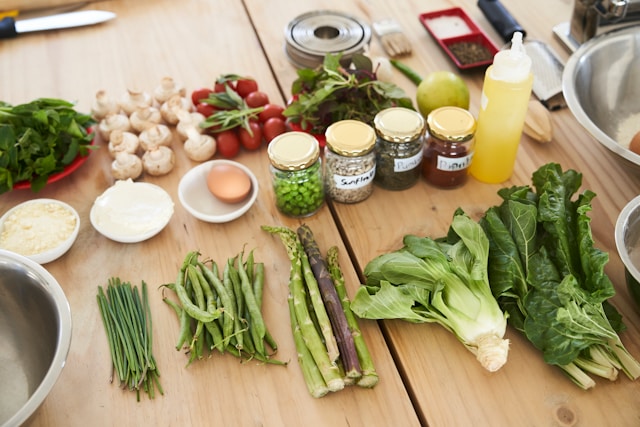
Understanding Batch Cooking
Batch cooking involves preparing multiple servings of meals in one go, typically enough to last several days or even a week. It’s an excellent approach for those who have busy schedules yet prioritize eating nutritious home-cooked meals. The essence of batch cooking lies in its efficiency and the ability to plan meals that are not only healthy but also enjoyable.
Benefits of Batch Cooking
- Time-saving: By dedicating a few hours on the weekend to meal prep, you save daily cooking time during the week.
- Cost-effective: Buying ingredients in bulk reduces overall grocery costs.
- Reduced food waste: Planning meals helps utilize ingredients fully, minimizing leftovers that end up in the trash.
- Nutritional consistency: Pre-planning ensures balanced nutrition in every meal, supporting dietary goals.
Getting Started with Batch Cooking
Before diving into batch cooking, it’s essential to set a foundation that aligns with your lifestyle and dietary needs. Here’s how you can start:
Step 1: Plan Your Meals
Create a weekly menu focusing on variety and balance. Aim for meals that incorporate proteins, healthy fats, carbohydrates, and plenty of vegetables. Consider dietary preferences such as vegetarian, vegan, or gluten-free options if applicable.
Scenario: The Busy Professional
Emma works long hours and finds little time to cook during the week. She plans her meals to include grilled chicken breast with quinoa and mixed veggies, lentil soup, and a chickpea salad to ensure she has nutritious meals ready every day.
Step 2: Create a Shopping List
Once your menu is set, compile a shopping list. Focus on fresh produce, whole grains, lean proteins, and healthy fats. Stick to the list to avoid impulse buys that could throw off your budget and nutrition plans.
Shopping List Example
- Chicken breast (5 lbs)
- Lentils (2 lbs)
- Quinoa (1 lb)
- Kale (2 bunches)
- Mixed vegetables (carrots, bell peppers, broccoli)
- Olive oil (1 bottle)
Step 3: Organize Your Kitchen
A well-organized kitchen is key to efficient meal prep. Ensure you have all necessary tools such as chopping boards, sharp knives, pots, and storage containers. Arrange your pantry so frequently used items are within easy reach.
Executing Batch Cooking
With your preparation in place, it’s time to start cooking. Here’s a workflow to streamline the process:
Step 4: Batch Cooking Workflow
- Pre-cook Proteins: Start by cooking proteins like chicken or beef in bulk. Season them simply so they can be used in different dishes.
- Cook Grains Simultaneously: Prepare rice, quinoa, or pasta while your proteins are cooking. Use a rice cooker or instant pot for convenience.
- Prepare Vegetables: Roast or steam vegetables in large batches. They can be seasoned differently to add variety.
This method allows multiple components of your meals to be ready simultaneously without overwhelming the cooking process.
Scenario: Preparing a Week’s Worth of Meals
On Sunday afternoon, Alex decides to prepare his meals for the week. He roasts three trays of mixed vegetables while simultaneously grilling chicken breasts on the stovetop. Quinoa cooks in the rice cooker. By managing time wisely, Alex completes his meal prep in under two hours.
Storing Prepared Meals
The way you store your batch-cooked meals can impact both their taste and nutritional quality. Here’s how to do it effectively:
Step 5: Choose the Right Containers
- Select airtight glass containers for storage as they maintain freshness and are environmentally friendly.
- Use freezer bags for items you plan to freeze.
Step 6: Label Everything
Label each container with the contents and date of preparation. This helps keep track of freshness and ensures you consume older meals first.
Sustaining Nutritional Balance
Nutritional balance is crucial when batch cooking to ensure that meals contribute positively to health goals. Here’s how to achieve this:
Incorporate Diverse Ingredients
A diverse array of ingredients ensures comprehensive nutrition. Rotate vegetables and protein sources weekly to avoid monotony and nutrient gaps.
Nutritional Checklist
- Include leafy greens like spinach or kale for iron and vitamins.
- Add beans or lentils for fiber and plant-based protein.
- Select whole grains such as brown rice or quinoa over refined options.
Adjust Portions Based on Goals
If your goal is weight loss, control portions by using smaller containers or separating portions before storing. Conversely, increase portion sizes if aiming for weight gain or muscle building.
Troubleshooting Common Challenges
Even experienced meal preppers face challenges. Here’s how to address some common issues:
Challenge: Food Fatigue
Tired of eating the same thing? Spice things up by incorporating different sauces or spices each week. For example, adding a curry sauce one week and teriyaki the next keeps chicken dishes exciting.
Challenge: Spoilage Concerns
Avoid spoilage by sticking to safe refrigeration durations—typically three to four days in the fridge—or freeze portions you won't eat soon.
Challenge: Portion Size Confusion
If portion sizes are too large or small, experiment by weighing ingredients before cooking until you find the right balance for your needs.
The Path Forward
Embracing batch cooking transforms meal preparation from a daily chore into a streamlined weekly routine. With these essential steps and practical tips, you can enjoy nutritious meals without the weekday hassle—supporting a healthier lifestyle while saving time and money. Whether you’re new to meal prep or seeking ways to enhance your current routine, the power of planning will always serve as your most valuable kitchen tool.