
Your Guide to Achieving Flavorful Filipino Adobo Every Time
Understanding the Heart of Filipino Adobo
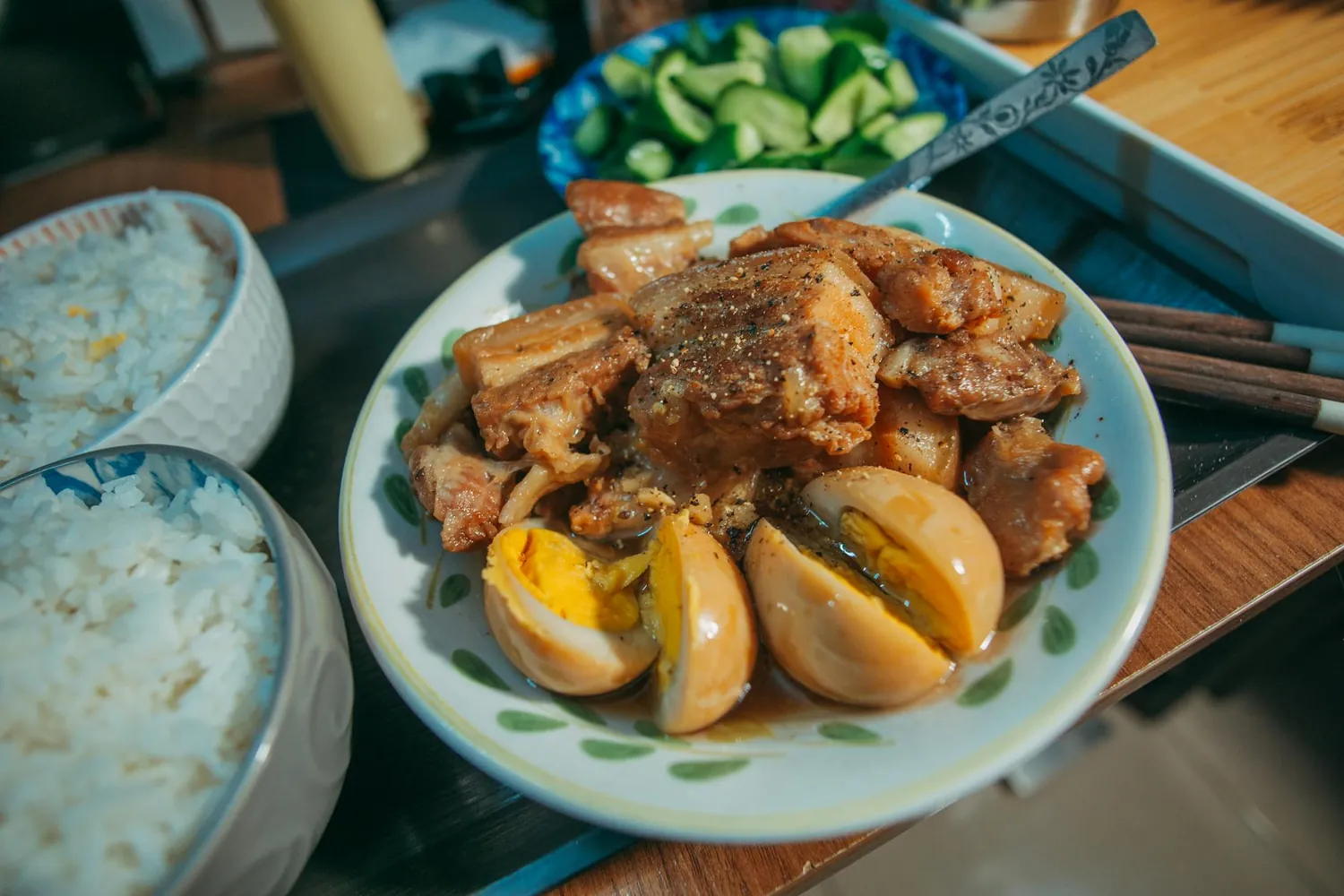
Filipino adobo is a cornerstone of Philippine cuisine, celebrated for its rich and complex flavors. This dish combines vinegar, soy sauce, garlic, bay leaves, and peppercorns to create a savory, tangy, and slightly sweet stew. Originating from historical culinary practices in the Philippines, adobo was initially a method for preserving meat through vinegar and salt. Over time, it has evolved into a beloved staple, deeply embedded in the cultural fabric of the country.
The Core Ingredients
At its core, adobo's flavor profile hinges on a harmonious balance of salty, sour, and umami elements. The key ingredients include:
- Vinegar: Traditionally, cane vinegar is used, but white vinegar or apple cider vinegar are suitable substitutes. It imparts the necessary tanginess that defines adobo.
- Soy Sauce: This adds depth and saltiness. Filipino soy sauce tends to be lighter than Chinese varieties, so adjust the quantity if you're using a darker soy sauce.
- Garlic: Typically, plenty of garlic is used, contributing to the aromatic foundation of the dish.
- Bay Leaves and Peppercorns: These provide subtle yet essential herbal notes.
A Mini-Framework for Balancing Flavors
Mastering adobo requires understanding how to balance its distinct flavors. Here’s a step-by-step approach:
- Vinegar and Soy Sauce Ratio: Start with a 1:1 ratio. This is the basic foundation. Adjust according to your taste preferences—more vinegar for tartness, more soy sauce for umami.
- Sugar Adjustment: A touch of sugar can round out the acidity and saltiness. Add gradually, starting with half a teaspoon, tasting as you go.
- Garlic Infusion: Crush the garlic lightly before adding it to release its oils. For a milder garlic flavor, add whole cloves; for a stronger taste, mince them finely.
A Sample Recipe to Try
This traditional recipe serves as an excellent starting point:
- Ingredients:
- 1 kg chicken or pork (cut into serving pieces)
- 1 cup cane vinegar
- 1 cup soy sauce
- 1 head garlic (crushed)
- 2 bay leaves
- 1 tablespoon whole black peppercorns
- 1 tablespoon sugar (optional)
- 1 cup water
Instructions:
- In a large pot, combine chicken or pork with vinegar, soy sauce, garlic, bay leaves, peppercorns, and water. Let it marinate for at least 30 minutes.
- Bring to a boil over medium heat. Once boiling, reduce the heat and let it simmer until the meat is tender.
- If using sugar, add it towards the end of cooking. Adjust seasoning according to taste.
Regional Variations to Explore
The beauty of adobo lies in its adaptability. Across the Philippines, numerous regional variations exist:
- Adobong Puti: Also known as white adobo, this version omits soy sauce for a purely vinegary taste.
- Coconut Milk Adobo: In some regions like Bicol, coconut milk is added for a creamy twist.
- Pineapple Adobo: Popular in Visayas, chunks of pineapple add a sweet contrast to the savory sauce.
Cultural Insights and Serving Suggestions
Adobo is typically served with steamed rice, allowing the flavors to soak into the grains. In Filipino culture, it is often cooked in larger batches as it is known to improve in taste over time—a perfect dish for family gatherings and celebrations.
Adobo's universal appeal lies not only in its flavor but also in its simplicity and versatility. Whether enjoyed traditionally or customized with regional twists, it embodies the diverse culinary heritage of the Philippines.