
Unlock the Secrets to Making Perfect Peruvian Ceviche from Scratch
The Origins and Cultural Significance of Peruvian Ceviche
Peruvian ceviche is more than just a dish; it's a cultural emblem, reflecting Peru's rich history and biodiversity. This iconic dish, characterized by its zesty and fresh flavors, traces back thousands of years to ancient civilizations along the Peruvian coast. These civilizations utilized the bounty of the Pacific Ocean, crafting early versions of ceviche using local fish and marinating them in tumbo juice—a type of passion fruit.
Today, ceviche stands as a symbol of national pride in Peru, often served at family gatherings, restaurants, and festive occasions. Its simplicity and reliance on high-quality ingredients highlight the diversity of Peruvian cuisine while showcasing an appreciation for freshness and natural flavors.
Selecting the Right Fish: Freshness is Key
When it comes to making authentic Peruvian ceviche, selecting the right fish is paramount. The ideal fish should be fresh, firm, and have a mild flavor that complements the tartness of the lime juice.
Types of Fish to Use
- Sea Bass: Known locally as corvina, sea bass is a traditional choice due to its firm texture and ability to absorb flavors well.
- Sole: Another popular choice, especially in coastal areas, for its delicate flavor.
- Fluke or Flounder: Perfect for those seeking a subtle taste that doesn't overpower the marinade.
When shopping for fish, look for clear eyes, shiny skin, and a fresh sea smell—these are indicators of freshness. If you're buying fillets, ensure they're moist and free of any dull patches.
The Art of Marinating: Achieving the Perfect Balance
The essence of ceviche lies in its marination process. Unlike typical cooking methods that involve heat, ceviche relies on acidity to 'cook' the fish. This transformation is achieved through a mix of fresh lime juice, which denatures the proteins in the fish, giving it a cooked appearance and texture.
The Lime Juice Technique
Limes in Peru are unique; they're smaller and more acidic compared to other varieties. For an authentic touch, consider using key limes or substitute with standard limes if unavailable. Squeeze them gently to avoid releasing bitter oils from the skin.
It's crucial not to over-marinate. A marination time of 10-15 minutes is sufficient for fish cut into half-inch cubes. This allows the fish to absorb flavors while maintaining a tender yet firm texture.
Traditional Accompaniments: Corn and Sweet Potatoes
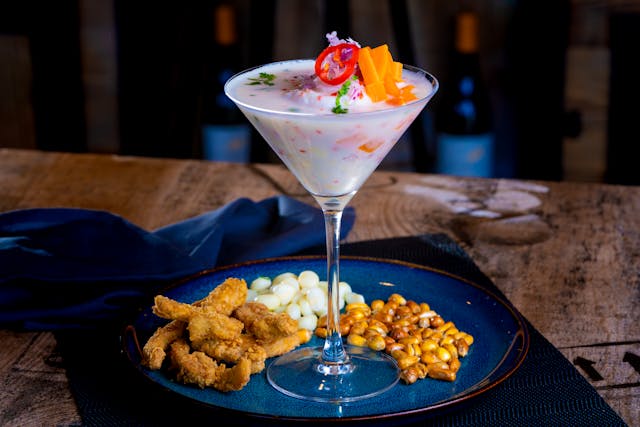
No Peruvian ceviche is complete without its traditional sidekicks: corn and sweet potatoes. These sides not only add contrast in texture and flavor but also represent a culinary homage to Peru's agricultural heritage.
Corn (Choclo)
Peruvian corn, or choclo, is notable for its large kernels and starchy texture. To prepare, boil until tender yet firm. It provides a sweet counterbalance to the citrusy ceviche.
Sweet Potatoes (Camote)
Sliced or cubed sweet potatoes are boiled until soft. Their natural sweetness offers a delightful juxtaposition to the tartness of the ceviche, creating a harmonious blend of flavors.
Bringing it All Together: The Assembly Process
Once all components are ready, assembling your ceviche is both an art and a science. Arrange the marinated fish on a serving plate, ensuring even distribution of marinade to keep it flavorful.
Adding Garnishes
- Red Onion: Thinly sliced onions add sharpness and crunch. Rinse them under cold water before use to remove excess pungency.
- Cilantro: Chopped fresh cilantro contributes brightness and depth.
- Aji Amarillo: This yellow chili pepper adds heat; finely dice it for a subtle kick.
Arrange choclo and camote around the plate for visual appeal and serve immediately to maintain freshness.
Troubleshooting Common Ceviche Mistakes
Mistakes can happen in the kitchen, but they can be mitigated with these tips:
- Over-marinated Fish: If left too long in lime juice, the fish becomes mushy. To salvage, reduce marination time or add more fresh fish to rebalance texture.
- Bitter Marinade: Avoid squeezing limes too aggressively. Strain marinade if bitterness persists.
With practice and attention to detail, making perfect Peruvian ceviche can be an accessible culinary adventure for home cooks worldwide. By focusing on ingredient quality and traditional techniques, you can recreate this vibrant dish that resonates with both flavor and cultural heritage.