
How to Choose the Right Indian Curry Style for Your Meal Occasion
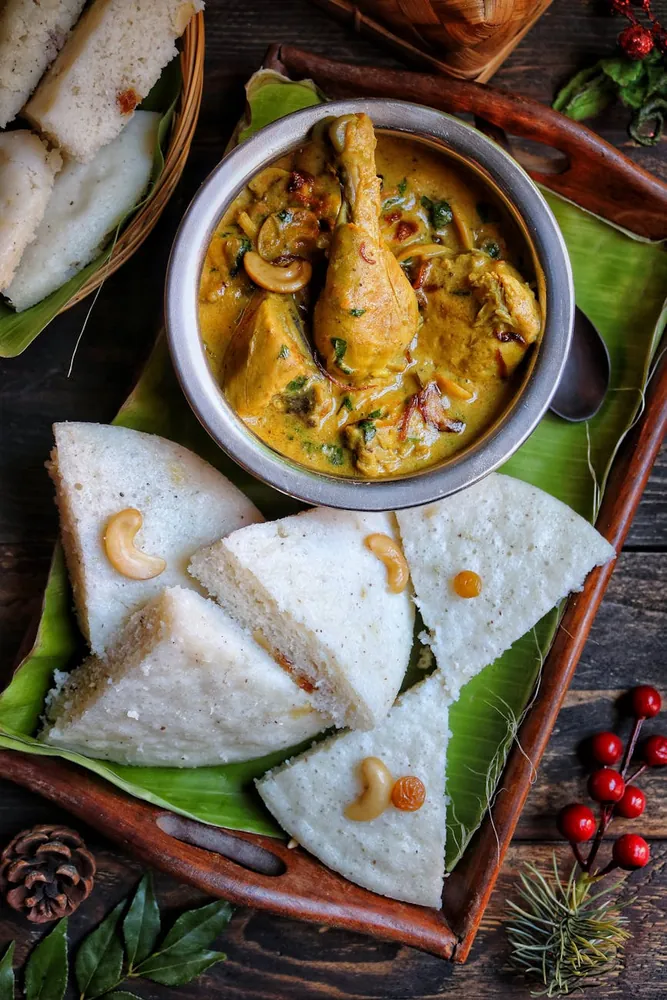
The Vast World of Indian Curries: A Regional Overview
Indian curries are a culinary marvel, embodying a diverse tapestry of flavors and techniques that have evolved across various regions in India. Each region boasts its own unique curry styles, influenced by local ingredients, historical trade routes, and cultural exchanges. To truly appreciate and choose the right curry style for your meal occasion, it’s essential to understand these regional distinctions. Let's delve into the rich variety offered by Northern, Southern, and Eastern Indian curries.
Northern Indian Curries
Northern Indian cuisine is renowned for its robust flavors and creamy textures. The curries from this region often use dairy products like cream, yogurt, and ghee (clarified butter), lending them a rich and indulgent character. Spices such as cumin, coriander, and garam masala are commonly used, creating a warm and aromatic profile.
A classic example is Butter Chicken, also known as Murgh Makhani. This dish features succulent pieces of chicken cooked in a tomato-based sauce enriched with cream and butter. It’s perfect for a lavish dinner party where comfort and opulence are key.
- Pros: Rich and satisfying; pairs well with naan or rice.
- Cons: Higher in calories due to dairy content; may not be suitable for lactose-intolerant guests.
Southern Indian Curries
In contrast, Southern Indian curries are known for their bold, spicy flavors, often featuring a coconut base. The use of curry leaves, mustard seeds, and tamarind adds distinct nuances that define the southern palate. These curries can range from mild to fiery hot, making them versatile for different tastes.
A quintessential southern curry is Sambar, a vegetable stew with lentils and a tangy tamarind broth, spiced with a blend of aromatic spices. It is a staple in South Indian homes and works beautifully as part of a larger meal or on its own with rice or dosas (rice pancakes).
- Pros: Naturally gluten-free and vegan-friendly options available; rich in flavors without being heavy on the stomach.
- Cons: May require specific ingredients like curry leaves and coconut milk that are less common outside of specialized stores.
Eastern Indian Curries
Eastern Indian curries offer a delightful mix of flavors, characterized by their subtlety and balance. Mustard oil is a defining ingredient here, imparting a pungent kick that sets these dishes apart. Fish and seafood often take center stage, reflecting the region’s coastal influence.
An exemplary dish is Prawn Malai Curry, originating from Bengal. It combines prawns with creamy coconut milk and a delicate mix of spices, offering an elegant dish ideal for festive occasions or special dinners.
- Pros: Lighter compared to northern curries; emphasizes fresh ingredients like seafood.
- Cons: Mustard oil’s strong flavor may not appeal to everyone; less spicy than other regions, which might not satisfy those seeking heat.
Choosing the Right Curry Style for Your Occasion
The choice of curry style should align with the occasion, dietary preferences, and the availability of ingredients. Here are some scenarios to consider:
Curry for Family Gatherings
For family gatherings where you need to cater to various preferences, a Northern Indian curry such as Butter Chicken or Paneer Tikka Masala might be ideal. Their creamy textures and mild spiciness appeal broadly, especially to kids and those new to Indian cuisine.
If dietary restrictions are a concern, consider incorporating Southern Indian curries that can easily accommodate vegan or vegetarian diets without compromising on flavor.
Curry for Formal Dinners
If you’re hosting a formal dinner, opt for an Eastern Indian curry like Prawn Malai Curry to impress with its elegance and subtlety. Pair it with basmati rice or fresh chapati to enhance the dining experience.
Curry for Casual Weeknight Meals
For quick and satisfying weeknight meals, Southern Indian options such as Sambar or Rasam are excellent choices. They are healthy, easy to prepare, and can be made in larger quantities to serve over several days.
Adapting Curries to Your Palate
While traditional recipes provide guidelines, feel free to adjust the spice levels according to your taste. Here’s how you can tailor these curries:
- For a milder flavor, reduce the chili content and add extra coconut milk or yogurt.
- To increase spice, incorporate green chilies or a dash of hot pepper sauce.
- Add herbs like cilantro for freshness before serving.
Sourcing Ingredients
Finding authentic ingredients is crucial for replicating the true flavors of these curries. Here are tips on sourcing them:
- Visit local Indian grocery stores for spices like garam masala, fenugreek seeds, and asafoetida.
- Opt for fresh curry leaves or frozen ones if available.
- If mustard oil is unavailable, substitute with olive oil infused with mustard seeds for a similar effect.
Cultural Etiquette When Serving Curries
Curries are more than just food; they represent cultural heritage. When serving these dishes:
- Present them alongside traditional accompaniments like pickles, papadums, and chutneys.
- Encourage guests to try eating with their hands—an authentic experience that enhances the flavors.
Conclusion: The Art of Choosing Your Curry Style
Selecting the right Indian curry style involves understanding the regional characteristics and considering your guests' preferences and dietary needs. Whether you're drawn to the luxurious richness of Northern India, the bold spiciness of the South, or the balanced subtleties of the East, there's an Indian curry perfectly suited for every occasion. Explore these styles with confidence and bring the vibrant tapestry of Indian cuisine to your table.