
Creating Delicious Thai Green Curry: Key Ingredients and Tips
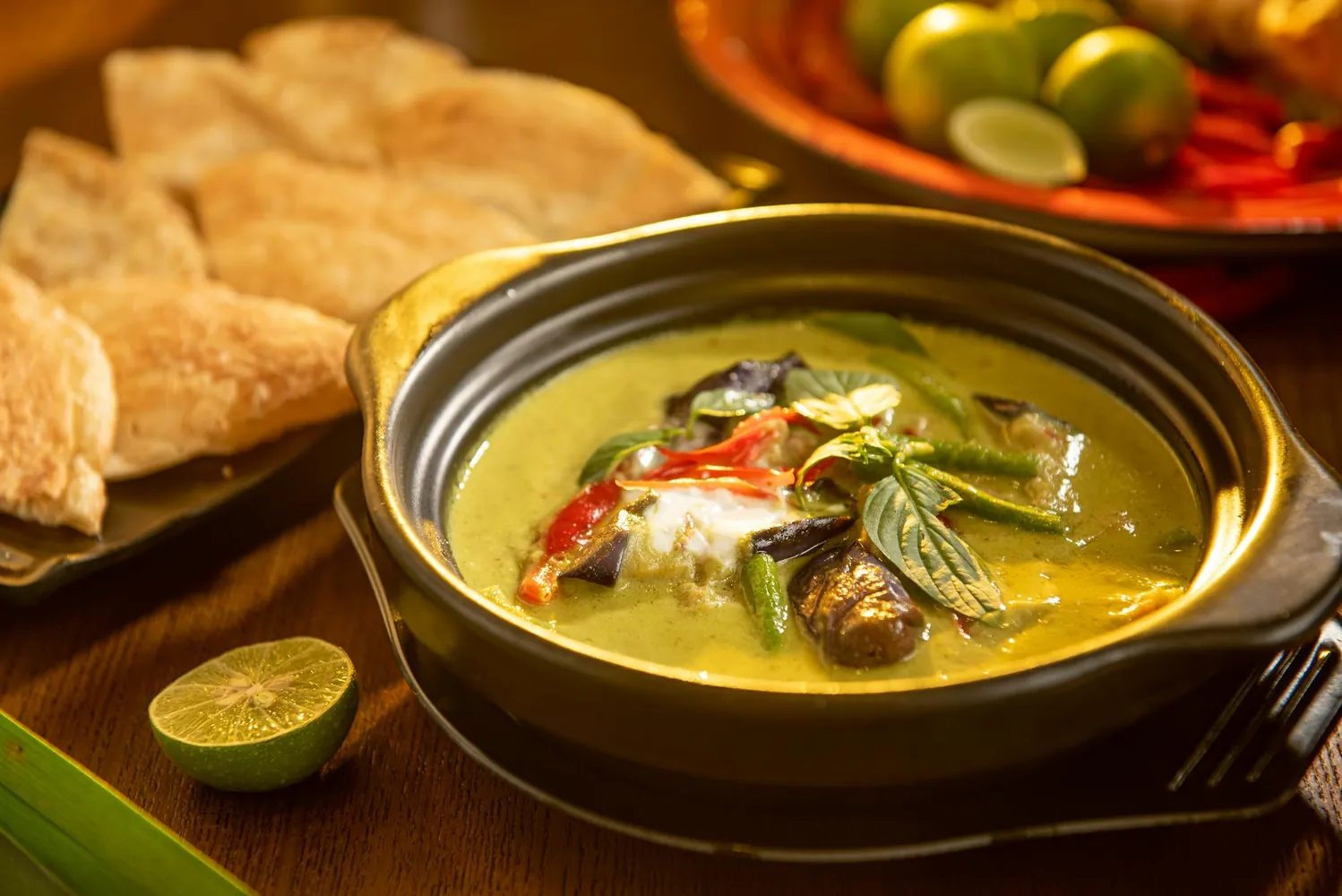
The Heart of Thai Green Curry
Thai green curry is a vibrant and aromatic dish that captures the essence of Thai cuisine, balancing spicy, savory, sweet, and sour flavors. Originating from central Thailand, this dish is known for its rich coconut milk base, fresh green chilies, and the fragrant combination of herbs and spices that create its signature green hue.
Essential Ingredients for Authenticity
Creating an authentic Thai green curry begins with understanding its core ingredients. Each component plays a vital role in achieving the distinctive flavor profile:
1. Green Curry Paste
The cornerstone of any green curry, the paste is a complex blend of ingredients:
- Green Chilies: These are essential for the curry's color and heat. Typically, Thai bird's eye chilies are used for their spiciness.
- Lemongrass: Adds a citrusy aroma that cuts through the richness of the coconut milk.
- Kaffir Lime Zest: Provides a unique fragrance and slight bitterness.
- Galangal: A relative of ginger but with a sharper, more peppery flavor.
- Garlic & Shallots: These base flavors add depth to the paste.
- Shrimp Paste: An umami-rich ingredient that enhances the overall taste.
While you can find pre-made green curry paste in stores, making your own from scratch allows for customization and freshness. A mortar and pestle is traditionally used to blend these ingredients into a smooth paste, ensuring the flavors meld beautifully.
2. Coconut Milk
Coconut milk serves as the creamy base for the curry, balancing the heat from the chilies with its sweetness. Opt for full-fat coconut milk for a rich texture. Ensure to shake the can well or stir it if separated to achieve a consistent creaminess throughout the curry.
3. Protein Options
Commonly, chicken is used in green curry, but you can also choose from beef, pork, or tofu for vegetarian options. Each protein type absorbs the flavors differently, offering unique textures and tastes.
4. Vegetables
The choice of vegetables can vary, but traditional options include:
- Thai Eggplants: Small, round eggplants that soak up the curry sauce beautifully.
- Bamboo Shoots: Provide crunch and absorb the flavorful broth.
- Snow Peas or Green Beans: Add a pop of color and fresh crunch.
The key is to use fresh produce that complements the texture and taste of the curry without overpowering it.
Techniques for Balancing Flavors
A successful Thai green curry hinges on achieving harmony between various flavors. Here are some tips to maintain this balance:
Sugar and Salt
Sugar helps to counteract the spice from the chilies, while fish sauce adds saltiness and depth. Taste the curry before serving and adjust with small amounts to find your preferred balance.
Acidity
Lime juice or kaffir lime leaves add necessary acidity. This brightens the dish and rounds out the flavor profile. Add these towards the end of cooking to preserve their fresh taste.
Selecting Fresh Produce
The quality of your ingredients directly affects the final outcome of your curry. Here's how to ensure you choose the best produce:
Green Chilies
Select firm and bright green chilies without blemishes for maximum freshness and flavor.
Lemongrass
Look for stalks that are firm and not dried out. The inner core should be pale yellow-green when trimmed.
Kaffir Lime Leaves
The leaves should be glossy and deep green with no tears or discoloration.
A Step-by-Step Workflow
- Prepare Your Ingredients: Gather all your ingredients before starting, ensuring they are washed, trimmed, and ready to go.
- Create the Paste: Use a mortar and pestle to pound your herbs, spices, and shrimp paste into a smooth paste. This method releases essential oils and maximizes flavor.
- Sauté the Paste: Heat a little oil in a pan and sauté the green curry paste until fragrant. This step is crucial to unlock the aroma of spices.
- Add Coconut Milk: Stir in coconut milk gradually, mixing well with the paste until fully incorporated.
- Add Protein: Depending on your choice (chicken/tofu), add it to the mixture and cook until it's nearly done.
- Add Vegetables: Introduce your selected vegetables to cook until tender but still crisp.
- Taste and Adjust: Season with fish sauce, sugar, and lime juice. Adjust until you find your perfect balance of spicy, sweet, salty, and sour.
Serving Suggestions
Thai green curry is best served hot over steamed jasmine rice, which complements the rich flavors and absorbs the sauce beautifully. Garnish with fresh basil leaves or additional sliced chilies for extra heat if desired.
Conclusion
Mastering Thai green curry is about understanding the symphony of flavors that make it iconic. By carefully selecting fresh ingredients and mindfully balancing each flavor component, you can recreate this authentic dish at home. Whether enjoyed on a cozy night in or served as a centerpiece at a dinner party, Thai green curry brings warmth and excitement to any table.