
Crafting Traditional Greek Moussaka with Perfect Flavor Layers
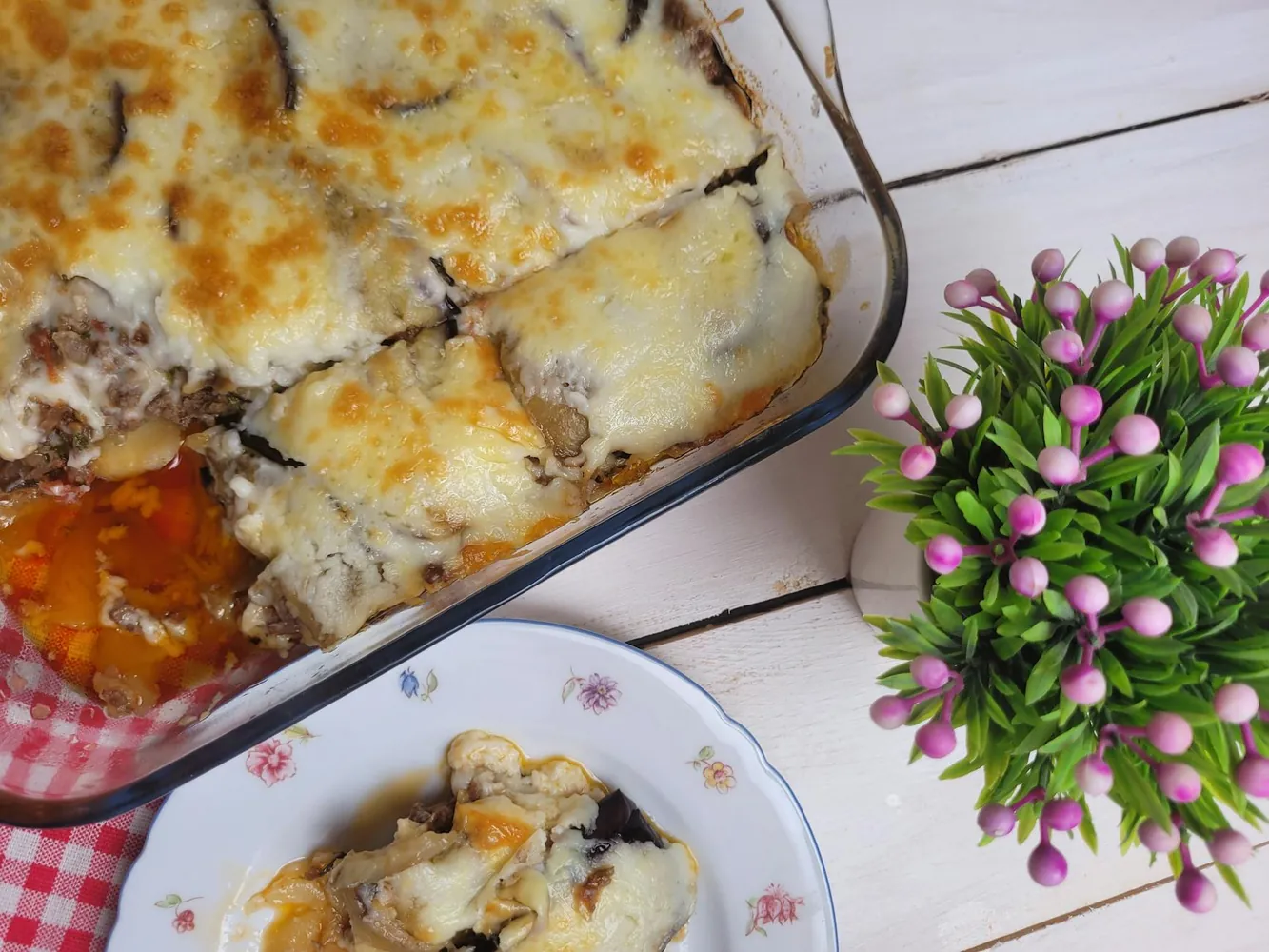
Unveiling the Rich Layers of Greek Moussaka
Greek Moussaka is a quintessential Mediterranean dish that embodies layers of rich flavors and textures. Known for its savory combination of eggplant, ground meat, and creamy béchamel sauce, Moussaka offers a delectable taste experience that transcends its simple ingredients. In this article, we’ll dive deep into the art of preparing this traditional Greek delight, guiding you through a step-by-step process to achieve perfectly balanced flavor layers.
Gathering the Essentials
Before embarking on this culinary journey, it's essential to gather all necessary ingredients and tools. The key components of a classic Moussaka include:
- Eggplants: About 3 large eggplants, sliced into 1/4-inch thick rounds.
- Ground Meat: Traditionally, lamb is used, but you can also opt for beef or a mix for different flavor profiles.
- Béchamel Sauce: Made from butter, flour, milk, and seasoned with nutmeg.
- Tomato Sauce: For the meat layer, enhancing the richness with spices like cinnamon and allspice.
- Cheese: A mix of grated Parmesan or Kefalotyri adds an umami kick to the layers.
A well-prepped kitchen with all ingredients ready will make the process seamless and enjoyable.
Preparing the Eggplants
Salting for Flavor and Texture
Start by slicing the eggplants. Lay them out on a baking sheet and sprinkle generously with salt. This technique draws out excess moisture, reducing bitterness and enhancing texture when cooked. Allow them to sit for about 30 minutes before rinsing off the salt and patting them dry.
Cooking the Eggplants
The next step involves cooking the eggplants until they’re tender and slightly golden. You can either fry them in olive oil for a richer taste or brush with oil and bake them for a healthier alternative. Frying provides a deeper flavor but requires careful attention to avoid greasiness.
Crafting the Meat Layer
Sautéing to Perfection
The meat layer is where much of Moussaka’s depth comes from. Begin by sautéing onions and garlic in olive oil until translucent. Add your choice of ground meat and cook until browned. Season with salt, pepper, cinnamon, and allspice to capture the authentic Greek essence.
Simmering in Tomato Sauce
Add tomato sauce to the browned meat mixture, allowing it to simmer gently for 20 minutes. This melds the flavors together, creating a savory base that contrasts beautifully with the sweet notes of nutmeg in the béchamel sauce.
The Art of Béchamel Sauce
Béchamel sauce is crucial to achieving the signature creamy layer of Moussaka. Begin by melting butter in a saucepan over medium heat. Whisk in flour gradually to form a roux, then slowly incorporate milk while stirring constantly to prevent lumps. Season with salt and nutmeg for added depth.
The Perfect Consistency
A successful béchamel is smooth and thick enough to coat a spoon. Adjust thickness by adding more milk if necessary. Once perfect, remove from heat and let it cool slightly before whisking in beaten eggs for richness and stability when baked.
Layering Techniques for Balanced Flavors
Moussaka’s allure lies in its layered assembly. Here’s how to achieve optimal balance:
- Base Layer: Start with a layer of cooked eggplant slices in a baking dish. This forms the foundation that soaks up flavors from above.
- Meat Layer: Spread the simmered meat mixture evenly over the eggplant.
- Béchamel Layer: Pour béchamel sauce over the meat, ensuring it covers evenly for uniform baking.
Top with grated cheese before baking at 350°F (175°C) for about 45 minutes until golden brown on top.
Pros and Cons of Different Methods
Frying vs Baking Eggplants
- Frying: Offers richer flavor but absorbs more oil.
- Baking: Healthier with less oil absorption, although some flavor depth may be sacrificed.
Lamb vs Beef
- Lamb: Provides authentic taste with gamier flavor which is traditional.
- Beef: A milder taste suitable for those preferring less intense flavors.
Serving Suggestions and Pairings
Moussaka pairs beautifully with a side of Greek salad or roasted vegetables. A glass of red wine like Cabernet Sauvignon or Merlot complements the dish’s rich flavors splendidly.
This traditional Greek Moussaka recipe invites you to savor layers of flavor crafted with care and authenticity. Enjoy your culinary creation as you transport yourself to the vibrant shores of Greece.