
Comprehensive Guide to Cooking Authentic Japanese Ramen Dishes
Understanding the Essence of Ramen
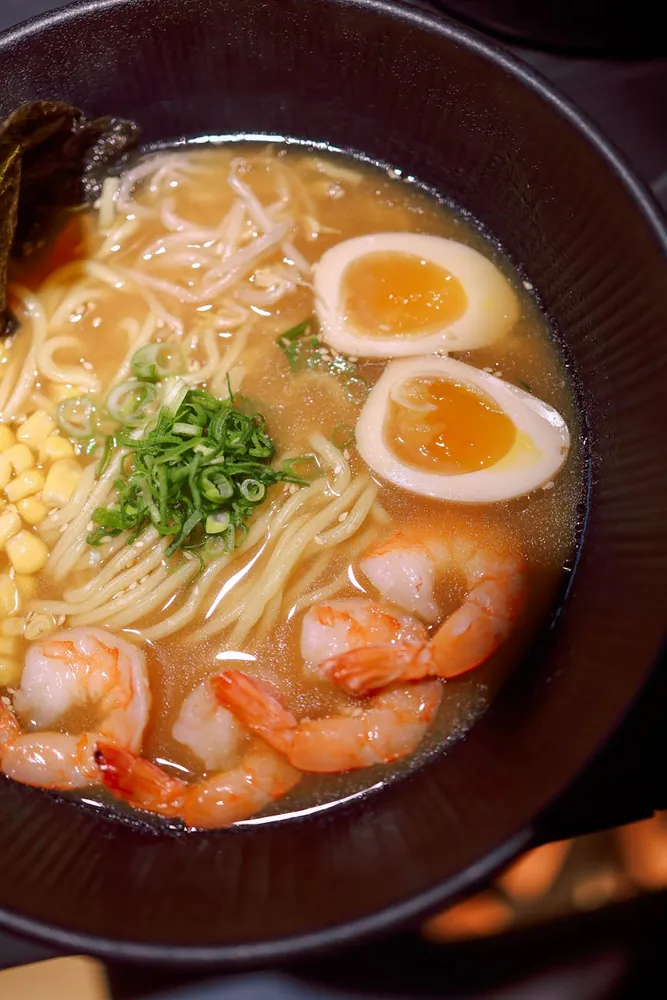
Ramen, a culinary staple of Japan, is far more than just a simple bowl of noodles. It’s a complex interplay of flavors and textures that has captivated palates worldwide. To truly appreciate and replicate ramen's authenticity, it’s essential to delve into its core components: the broth, the noodles, and the toppings.
The Integral Role of Broth
The broth forms the soul of ramen, delivering deep, savory flavors. Traditionally, ramen broth is categorized into four main types:
- Shoyu (Soy Sauce): A soy sauce base that imparts a tangy and salty taste.
- Miso: Featuring fermented soybean paste for a rich and hearty flavor.
- Shio (Salt): A light and clear broth, seasoned primarily with salt.
- Tonkotsu: A creamy, pork-based broth offering a bold and robust essence.
Each variety requires specific techniques and ingredients to achieve its distinctive taste.
Broth Preparation Techniques
The heart of any ramen dish lies in its broth. Let’s explore how you can prepare each type of broth authentically at home.
Shoyu Ramen Broth
To create an authentic Shoyu broth:
- Sauté garlic and ginger in sesame oil until aromatic.
- Add chicken or pork bones and water, bringing it to a boil. Skim any impurities that rise to the top.
- Simmer for several hours to extract the flavors.
- Add soy sauce towards the end, adjusting to taste with mirin for sweetness.
This approach yields a broth that's both umami-rich and fragrant.
Miso Ramen Broth
A hearty Miso broth involves:
- Sautéing vegetables such as onions, carrots, and garlic in oil.
- Introducing chicken stock to the mix and simmering gently.
- Stirring in a generous amount of miso paste towards the end, ensuring it's fully dissolved for a balanced taste.
Miso adds depth and richness, creating a comforting bowl perfect for colder months.
Tonkotsu Ramen Broth
The Tonkotsu broth is renowned for its creaminess:
- Begin by thoroughly cleaning pork bones under running water.
- Boil the bones rapidly for about 20 minutes, discarding the water to remove impurities.
- Add fresh water along with aromatics like garlic and ginger, then simmer for 12-15 hours.
This lengthy process breaks down collagen, resulting in a silky smooth texture with a full-bodied pork flavor.
The Craft of Noodle Making
Noodles are pivotal in distinguishing ramen from other noodle dishes. A good ramen noodle must balance chewiness with an ability to absorb the broth’s flavors.
Selecting the Right Flour
Ramen noodles are traditionally made from wheat flour, with variations in protein content affecting their texture. Opt for flour with a medium protein content to achieve that characteristic chewiness.
Kansui – The Secret Ingredient
The addition of Kansui, an alkaline mineral water, is what gives ramen noodles their unique yellow hue and firm texture. While difficult to find outside Japan, baking soda can be used as a substitute by boiling it first to enhance its alkalinity.
Noodle Preparation Process
- Combine flour, water, and kansui (or baked baking soda solution) to form a dough.
- Knead thoroughly until smooth; let it rest wrapped for at least 30 minutes to relax gluten.
- Roll out thinly and cut using either a pasta machine or by hand into desired thickness.
The noodles can then be boiled in salted water until they float, indicating they’re cooked through but still firm to the bite.
Toppings: Adding Personality to Your Ramen
Toppings personalize each bowl of ramen, allowing creativity while preserving tradition. Here are some classic toppings that define Japanese ramen:
- Chashu: Braised pork belly that’s tender with a savory-sweet glaze.
- Nitamago: Marinated soft-boiled eggs that are creamy inside.
- Narutomaki: Fish cakes with iconic pink swirls.
- Bamboo Shoots: Known as Menma, these add a crunchy texture.
Preparing Chashu Pork
- Roll pork belly into a tight log, securing with twine.
- Sear all sides until golden brown.
- Braise in a mixture of soy sauce, mirin, sake, and sugar over low heat for several hours until tender.
This method ensures your chashu is succulent with layers of flavor infused throughout the meat.
Nitamago: The Perfect Egg
- Soft-boil eggs for six minutes before plunging into ice water to halt cooking.
- Peeled eggs should be marinated in soy sauce, mirin, and dashi stock overnight.
The result is an egg that bursts with flavor and complements your ramen beautifully.
Putting It All Together: Assembling Your Ramen Bowl
The final step in your ramen journey is assembly—a thoughtful art form in itself. Follow these steps for an authentic presentation:
- Ladle hot broth into your bowl first, warming it through and creating an aromatic base.
- Add freshly cooked noodles quickly so they absorb the broth's flavors without becoming soggy.
- Layer on toppings like chashu, nitamago, and vegetables neatly but generously.
This careful arrangement not only impacts taste but also visual appeal—important aspects in Japanese cuisine where presentation is valued highly.
Checklist for Making Authentic Japanese Ramen at Home
- Prepare each element ahead of time: broth, noodles, and toppings should be ready simultaneously to maintain freshness.
- Select quality ingredients—authenticity relies on capturing genuine flavors from traditional sources when possible.
- Taste as you go—flavor balance is key; adjust seasoning if needed during cooking stages rather than at the end alone.
Conclusion: Embarking on Your Ramen Adventure
Creating authentic Japanese ramen is an enriching experience that rewards patience with profound flavors. Whether you're savoring rich tonkotsu or delicate shio broths enhanced by well-crafted noodles and personalized toppings—the journey itself enriches both your culinary skills and appreciation for this revered dish.
With practice comes mastery; soon you'll find yourself crafting bowls rivaling those found in bustling Japanese eateries right from your own kitchen. Enjoy every savory bite!