
Comparing the Creamy Delight of Risotto with Saffron-Infused Paella
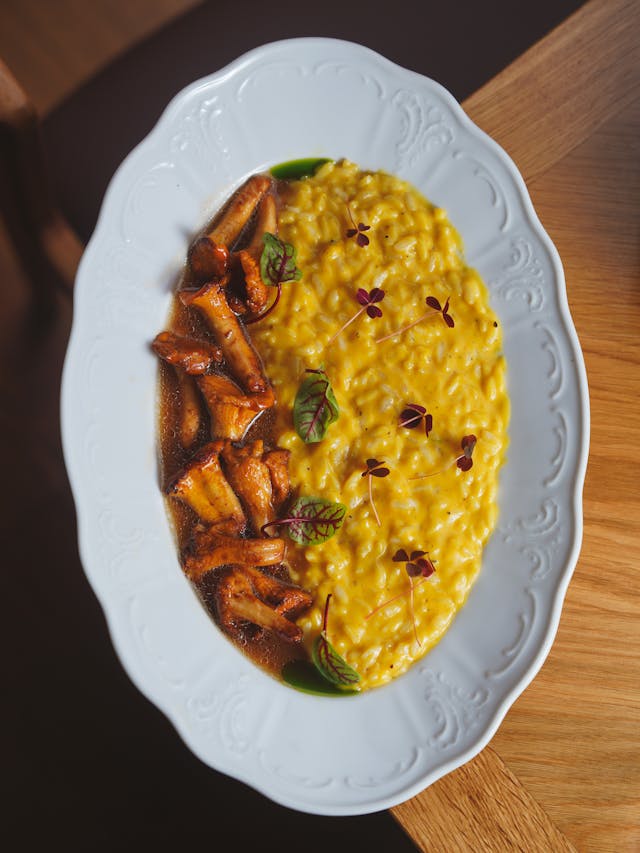
The Rich Culinary Heritage of Risotto and Paella
Italian risotto and Spanish paella are two beloved dishes that have transcended their national origins to gain international acclaim. Despite their similarities as rice-based dishes, they offer distinctly different experiences in terms of flavor, texture, and preparation. Understanding these differences can help you choose which dish to prepare based on your dining preferences and the occasion.
The Ingredients: Building Flavor from the Base Up
The choice of ingredients in both risotto and paella is central to achieving their unique flavors.
Risotto: Embracing Creaminess
Risotto relies heavily on high-starch rice varieties like Arborio, Carnaroli, or Vialone Nano, which release starch slowly during cooking to create a creamy texture. Key ingredients include:
- Stock or Broth: A rich chicken or vegetable broth infuses the rice with deep flavors.
- Butter and Cheese: Typically Parmesan, added towards the end for creaminess and umami.
- White Wine: Adds a layer of acidity that balances the richness.
Paella: A Symphony of Ingredients
In contrast, paella is celebrated for its vibrant colors and bold flavors, often featuring a variety of proteins such as chicken, rabbit, seafood, or chorizo. Essential ingredients include:
- Bomba or Calasparra Rice: Short-grain rice that absorbs liquid without becoming mushy.
- Saffron: The heart of paella’s golden color and subtle floral notes.
- Pimentón (Smoked Paprika): Adds depth and a smoky flavor.
The Cooking Techniques: From Stirring to Patience
Both dishes require specific techniques to achieve their signature textures.
Risotto: The Art of Stirring
Cooking risotto is an exercise in patience and technique. Here’s how it’s done:
- Sauté Aromatics: Begin with onions or shallots gently sautéed in butter or olive oil.
- Add Rice and Toast: Stir the rice grains until they are lightly toasted and translucent.
- Deglaze with Wine: Pour in white wine and allow it to absorb before adding broth.
- Gradual Broth Addition: Gradually add warm broth one ladle at a time, stirring continuously until absorbed before adding more.
- Finishing Touches: Incorporate butter and Parmesan cheese for a creamy finish.
Paella: Achieving the Perfect Socarrat
The key to paella lies in minimal stirring after the initial stages to form a crust known as socarrat. Follow these steps:
- Sauté Sofrito: A mix of onions, garlic, tomatoes, and peppers forms the flavorful base.
- Add Rice and Broth: Once proteins are cooked, add rice and pour in saffron-infused broth.
- Avoid Stirring: Unlike risotto, refrain from stirring once the liquid is added to allow rice to cook evenly.
- Create Socarrat: Increase heat briefly towards the end to create a crispy layer at the bottom of the pan.
Taste and Texture: Creamy vs. Al Dente
The textural difference between risotto and paella is striking. Risotto’s creamy consistency is achieved through constant stirring, whereas paella features distinct grains of rice with a firmer bite.
Creamy Risotto
The appeal of risotto lies in its luxurious creaminess, achieved without cream but through the slow release of starch from the rice. This gives each bite a velvety texture complemented by the richness of butter and cheese.
Saffron-Infused Paella
Paella's al dente texture allows you to savor each grain separately, with saffron providing not just color but also a slightly sweet, earthy aroma that pairs well with its array of proteins and vegetables.
When to Serve Each Dish
The choice between risotto and paella often comes down to the occasion and setting.
Risotto for Intimate Gatherings
Risotto’s labor-intensive preparation makes it ideal for smaller gatherings where you can devote attention to stirring without distraction. Its rich flavor profile pairs well with white wines like Pinot Grigio or Chardonnay, making it perfect for intimate dinners.
Paella for Celebrations
Paella is synonymous with festive occasions, often prepared in large pans that encourage communal dining. Its vibrant presentation and hearty ingredients make it suitable for parties or family gatherings where multiple people can enjoy sharing from the same dish.
Practical Tips for Home Cooks
If you're ready to try your hand at either dish, consider these practical tips to ensure success:
- Select Quality Ingredients: Authentic flavors start with high-quality saffron and rice. Investing in these ingredients can make a significant difference in the final dish.
- Use Appropriate Cookware: For risotto, a heavy-bottomed pot ensures even heat distribution. Paella benefits from a wide, shallow pan to promote even cooking and socarrat formation.
- Taste as You Cook: Regular tasting allows you to adjust seasoning as needed. Don’t wait until the end to discover any imbalances.
The Verdict: Choosing Your Delight
Ultimately, whether you opt for risotto or paella depends on your culinary goals for the meal. If you're in the mood for a creamy comfort dish that requires some culinary focus, risotto is your go-to. For a robust, flavorful experience that celebrates communal eating, paella stands out as a feast for both the eyes and palate. Both dishes offer delightful experiences that highlight the diversity of international cuisine.