
A Culinary Journey Through Authentic Moroccan Tagine Preparations
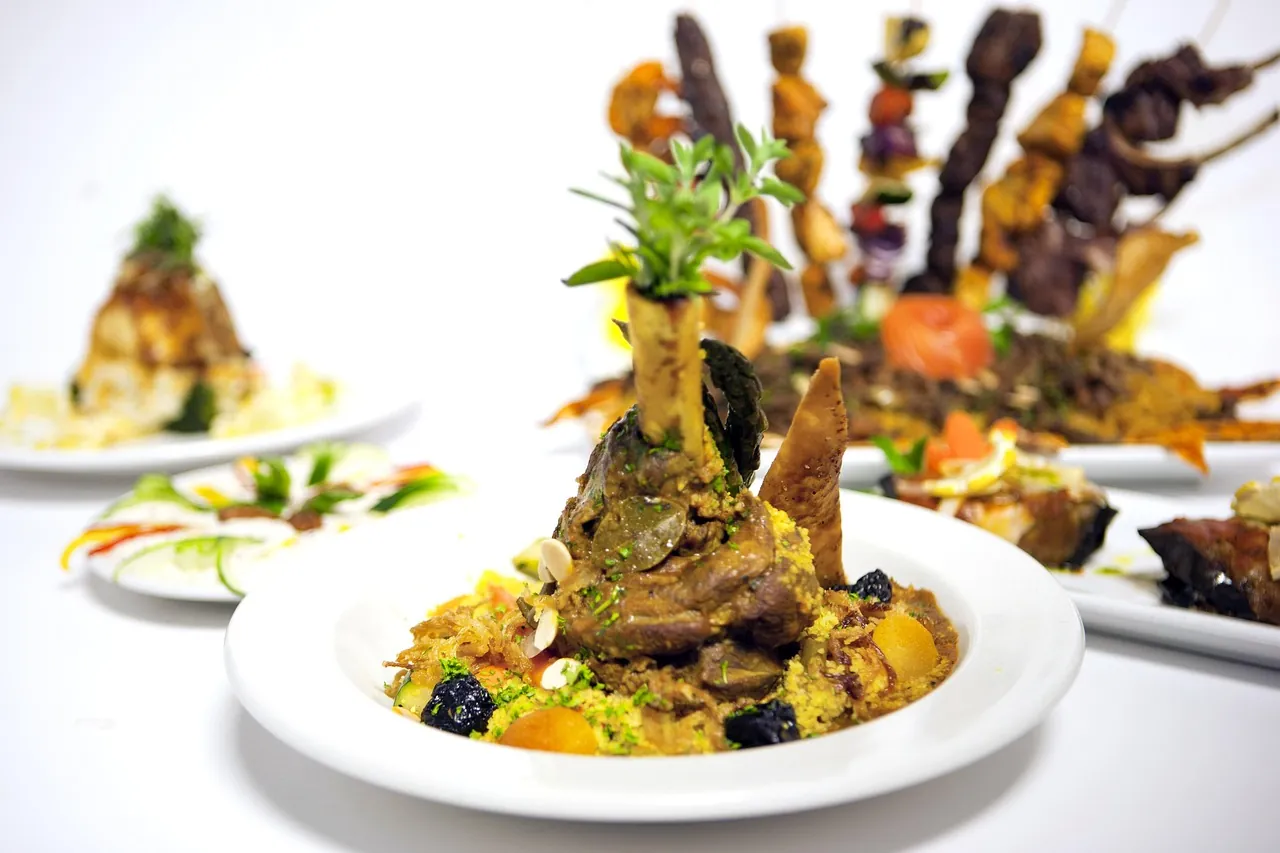
The Essence of Moroccan Tagine
Moroccan cuisine is a delightful tapestry woven with rich history and diverse cultural influences. At its heart lies the tagine, a traditional dish named after the earthenware pot in which it is cooked. This iconic North African stew is renowned for its robust flavors, achieved through a combination of slow cooking and an artful blend of spices.
The essence of a Moroccan tagine lies not just in its ingredients but in the methods of preparation that have been passed down through generations. Its roots can be traced back to the Berbers, the indigenous people of North Africa, who used tagines to cook hearty meals with minimal resources, using the conical lid to ensure moisture retention.
Key Spices That Define Tagine
Two cornerstone ingredients elevate a Moroccan tagine to an extraordinary culinary experience: saffron and ras el hanout. These spices are not merely seasonings; they are integral to the tagine’s identity.
- Saffron: Known as the most precious spice in the world, saffron contributes a subtle, earthy depth and vibrant color to any dish. When preparing tagine, it's crucial to use quality saffron, which should be soaked in warm water to release its full flavor before being added to the dish.
- Ras el Hanout: Translated as ‘head of the shop,’ this spice mix typically comprises a blend of 20 or more spices. Each blend is unique, reflecting the spice merchant’s personal touch. Common ingredients include cardamom, clove, cinnamon, coriander, cumin, paprika, mace, nutmeg, peppercorn, and turmeric. Ras el hanout is the soul of many Moroccan dishes, infusing them with warmth and complexity.
Step-by-Step Guide to Preparing a Traditional Moroccan Tagine
To embark on your culinary journey through Moroccan tagine preparations, start by gathering fresh ingredients and authentic spices. Here is a step-by-step guide to help you recreate this timeless dish at home:
Ingredients Needed
- 1 kg lamb shoulder or chicken pieces
- 2 large onions, finely chopped
- 3 cloves garlic, minced
- 1 tbsp ras el hanout
- A pinch of saffron threads
- 1 tsp ground ginger
- 1 tsp ground cinnamon
- Salt and freshly ground black pepper
- 2 tbsp olive oil
- 150g dried apricots or prunes
- 50g almonds, blanched and toasted
- Fresh coriander leaves for garnish
Preparation Steps
- Marinate the Meat: Begin by marinating your meat choice (lamb or chicken) in half of the spice mixture (ras el hanout, saffron, ginger, cinnamon) along with some salt and pepper. Let it rest for at least 30 minutes to absorb the flavors.
- Sauté the Aromatics: In your tagine or a heavy-bottomed pot, heat olive oil over medium heat. Add onions and garlic, sauté until soft and translucent.
- Add the Meat: Increase heat to medium-high and add the marinated meat. Sear each side until browned. This step is essential for sealing in juices and enhancing flavor.
- Add Remaining Ingredients: Stir in remaining spices along with dried apricots or prunes. Pour in enough water to cover the meat halfway. Bring to a simmer.
- Slow Cook: Cover with a lid and reduce heat to low. Let the tagine cook gently for about 2-3 hours if using lamb, or until tender and succulent.
- Add Nuts and Garnish: Before serving, scatter toasted almonds over the top and garnish with fresh coriander leaves.
Tips for Perfecting Your Tagine
The beauty of tagine lies in its simplicity and adaptability. Here are some tips to ensure your dish reaches perfection:
- Choose Your Pot Wisely: If you do not have a traditional clay tagine pot, a Dutch oven or heavy casserole dish will suffice. The goal is even heat distribution and retention.
- Pace Yourself: Slow cooking is key. Allow time for the flavors to meld without rushing; it's the hallmark of an authentic tagine.
- Taste and Adjust: As with any great dish, taste as you go. Adjust seasoning levels according to personal preference.
The Cultural Significance of Tagine
A tagine is more than just a dish; it's an experience. Traditionally enjoyed communally, it brings people together around a shared meal. The act of breaking bread with loved ones while savoring these complex flavors deepens cultural connections and enriches social bonds.
The cultural richness found in each bite of a Moroccan tagine mirrors the country’s historical tapestry—blending influences from Arab, Berber, Andalusian, and Mediterranean cuisines. It’s a dish that tells stories of ancient trade routes and cultural exchanges across continents.
A Scenario: Preparing Tagine for a Family Gathering
Imagine hosting a family gathering where you've decided to introduce your guests to Moroccan flavors through tagine. As you prepare, children curiously watch you measure out exotic spices while sharing stories about Morocco’s vibrant souks where these spices originate. The aroma that fills your kitchen becomes part of their memories.
Your guests arrive as the tagine finishes cooking, its hearty scent welcoming them warmly. Serving it from the communal pot encourages conversations about food heritage and travel experiences. It’s more than just dinner; it’s an immersive journey into another culture right from your dining room table.
Conclusion: The Art of Moroccan Tagine Mastery
Mastering authentic Moroccan tagine is akin to capturing Morocco’s soul—a fusion of history, culture, and culinary art on one plate. By understanding its nuances—from selecting quality spices like saffron and ras el hanout to embracing patience during cooking—you unlock the secret to this cherished North African tradition.
As you continue your exploration into international cuisines, let Moroccan tagine be both a stepping stone into new flavors and an invitation into the warmth of Moroccan hospitality—a reminder that every recipe carries stories waiting to be shared around tables worldwide.