
Your Guide to Assembling Flavorful Buddha Bowls for Quick Meals
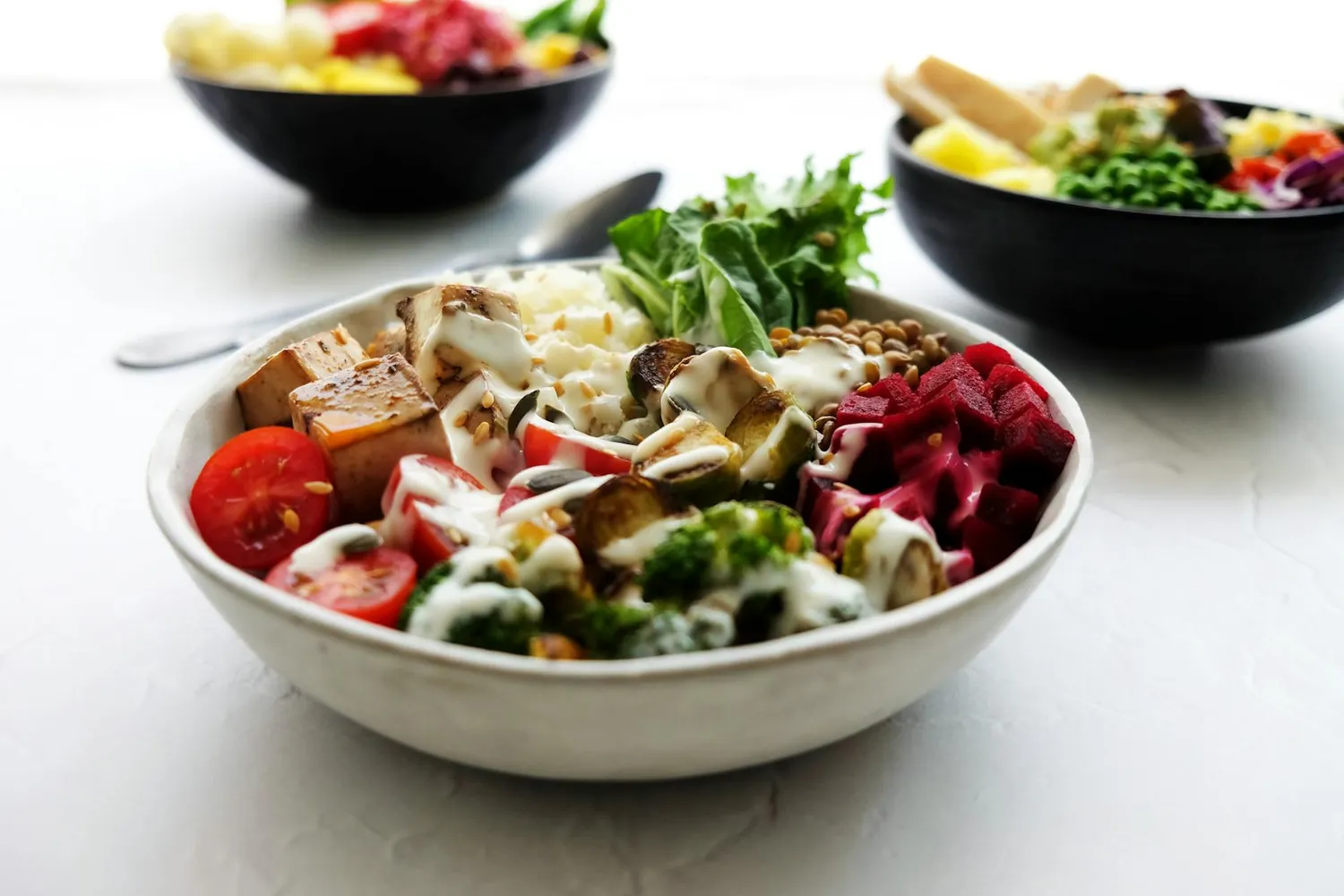
The Essence of a Buddha Bowl
A Buddha bowl is more than just a meal; it's an artistic expression of health and flavor. Composed of grains, proteins, vegetables, and toppings, these bowls are as versatile as they are nutritious, making them a favorite among those seeking quick, healthy meals. The concept of a Buddha bowl is rooted in balance and nourishment—think of it as a symphony where every ingredient plays its part to create harmony.
Choosing Your Grain Base
The foundation of any great Buddha bowl is the grain. Grains provide texture and substance, and their variety can take your bowl in different culinary directions.
Quinoa: The Protein Powerhouse
Quinoa stands out not only for its fluffy texture but also for its high protein content, making it ideal for those looking to boost their intake without turning to animal products. Its nutty flavor pairs well with almost anything.
- Pros: High in protein and fiber, gluten-free, cooks quickly.
- Cons: Can be expensive compared to other grains.
- Best for: Plant-based eaters and anyone wanting a hearty, protein-rich base.
Brown Rice: A Classic Choice
Brown rice offers a chewy texture and a slightly nutty taste, providing a comforting foundation that pairs well with both Asian and Western flavors.
- Pros: Widely available, budget-friendly, good source of magnesium.
- Cons: Longer cooking time compared to other grains.
- Best for: Those looking for an affordable and filling option.
Farro: Ancient Grain Goodness
For those interested in exploring ancient grains, farro offers a unique chewy texture with a subtle nutty flavor that enhances any bowl.
- Pros: Rich in fiber and nutrients, adds texture.
- Cons: Contains gluten, longer cooking time.
- Best for: Anyone seeking something different with an ancient flair.
Adding Proteins
Proteins are the building blocks of our bodies and are essential in any balanced diet. Buddha bowls allow you to get creative with your protein choices.
Grilled Chicken: Versatile and Filling
Grilled chicken is a classic choice for a reason. It's lean, full of protein, and adapts to a wide range of flavors from spicy Sriracha glazes to tangy lemon marinades.
- Pros: High in protein, easy to prepare, widely available.
- Cons: Requires careful cooking to avoid drying out.
- Best for: Meat eaters who appreciate straightforward preparation.
Tofu: A Blank Canvas
Tofu absorbs flavors well, making it perfect for experimenting with different spices and sauces. It's a staple for vegetarians and vegans alike.
- Pros: Rich in plant-based protein, versatile, can be grilled or sautéed.
- Cons: May require marination for best flavor absorption.
- Best for: Vegetarian and vegan diets.
Lentils: The Nutrient-Packed Legume
Lentils are a fantastic source of plant-based protein and provide additional fiber, iron, and B vitamins. They add heartiness to your bowl without overpowering other flavors.
- Pros: Nutrient-dense, budget-friendly, quick-cooking.
- Cons: Needs proper seasoning to enhance flavor.
- Best for: Economical plant-based protein source seekers.
Selecting Fresh Vegetables
The variety of vegetables you can include in your Buddha bowl is limited only by your imagination. They add color, flavor, and critical nutrients to your meal.
Roasted Veggies: Depth of Flavor
Roasting vegetables like sweet potatoes, bell peppers, or Brussels sprouts brings out their natural sweetness and adds a lovely caramelized depth to your bowl.
- Pros: Enhances flavor profile, adds warmth to the bowl.
- Cons: Additional cooking time required.
Raw Crunch: Freshness Factor
Cucumbers, cherry tomatoes, and radishes add a refreshing crunch that balances heavier components in the bowl.
- Pros: Quick to prepare, hydrating, enhances texture contrast.
Sautéed Greens: A Nutritious Touch
Sautéed spinach or kale add a vibrant color and boost the vitamin content of your bowl. They pair wonderfully with earthy grains like quinoa or farro.
- Pros: Quick cooking time, rich in vitamins A, C, K.
Toppings and Dressings
The toppings are where you can inject bold flavors into your Buddha bowl. Think beyond simple dressings to infuse exciting textures and tastes into each bite.
Nuts and Seeds: Crunchy Contrast
Add sunflower seeds or toasted almonds for that extra crunch while also boosting healthy fat content. They’re a nutritious way to elevate the dish's texture.
- Pros: Adds healthy fats and proteins, enhances texture.
Sauces and Dressings: Flavor Amplifiers
Sauces like tahini or sriracha mayo can tie all elements of the bowl together seamlessly. A simple lemon-tahini dressing is always a hit!
- Pros: Complements flavors, easy customization for various cuisines.
Buddha Bowl Workflow
Your workflow should be as efficient as it is enjoyable. Here's how you can streamline your process:
- Select your grains; cook them in batches over the weekend for convenience.
- Prep proteins like chicken or tofu ahead of time; store them separately for easy access during the week.
- Chop vegetables when you have spare moments; store them airtight to maintain freshness.
This structured approach not only saves time but ensures you always have the elements needed for a nutritious meal at your fingertips!