
Mediterranean vs. Asian Diets: Nutritional Insights for Healthier Choices
Understanding the Mediterranean and Asian Diets
In the realm of healthy eating, both the Mediterranean and Asian diets stand out for their potential health benefits, particularly concerning heart health and longevity. The Mediterranean diet, rich in fruits, vegetables, whole grains, and healthy fats, has been praised for its simplicity and long-standing tradition of promoting cardiovascular health. Meanwhile, Asian diets, with their variety of rice, fish, vegetables, and soy products, offer diverse nutritional benefits, emphasizing balance and moderation.
The Mediterranean Diet
The Mediterranean diet originates from the eating habits of people living around the Mediterranean Sea. It's characterized by high consumption of olive oil, legumes, unrefined cereals, fruits, and vegetables. Moderate to high consumption of fish, moderate consumption of dairy products (mostly as cheese and yogurt), moderate wine intake, and low consumption of non-fish meat products complete this dietary pattern.
- Heart Health: The abundance of unsaturated fats, especially oleic acid from olive oil, contributes to lower levels of LDL cholesterol. These fats are also anti-inflammatory.
- Longevity: Studies suggest that adherence to the Mediterranean diet is linked to increased life expectancy due to reduced risks of chronic diseases.
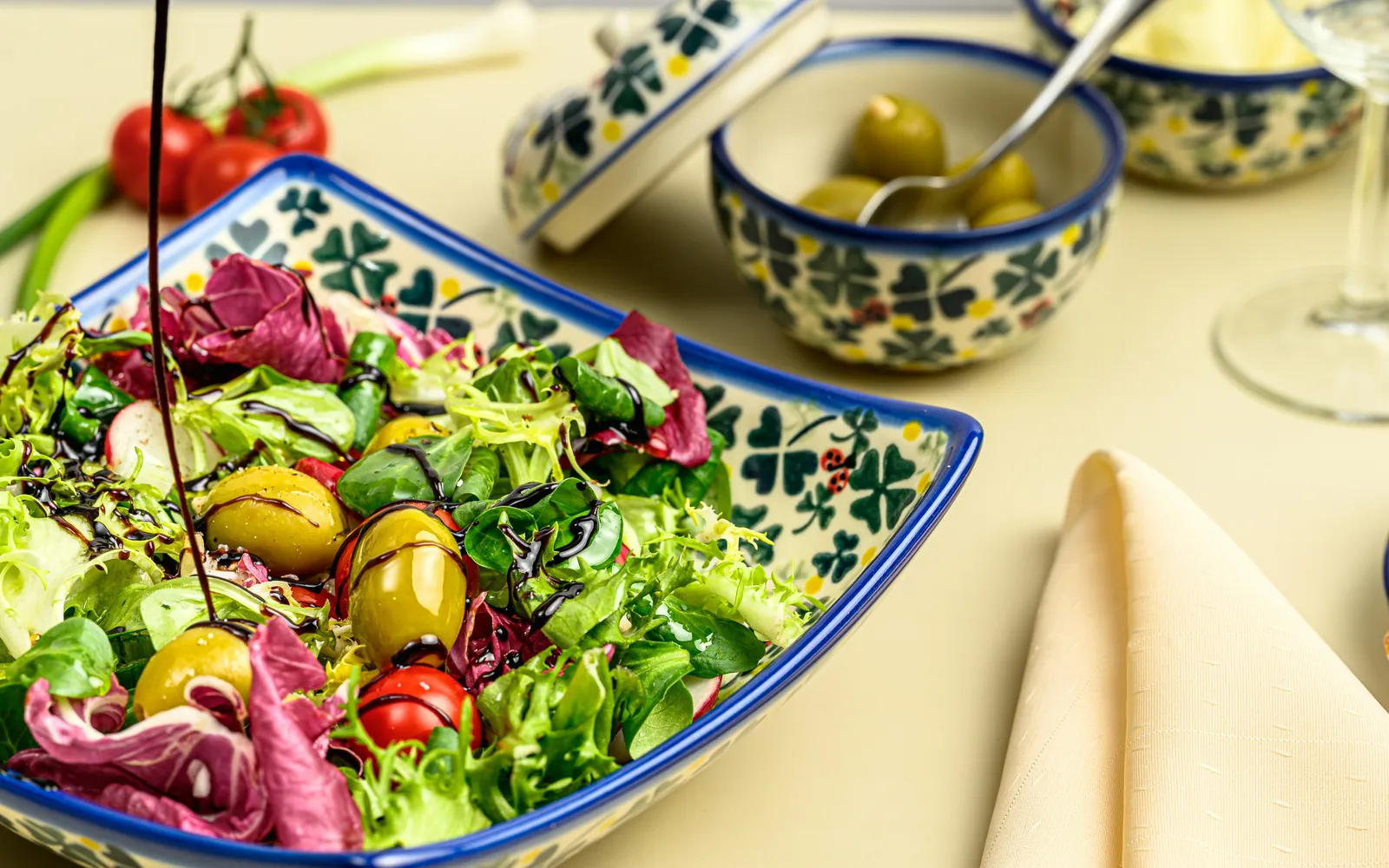
The Mediterranean diet's ease of preparation and availability of ingredients in most parts of the world contribute to its popularity. Dishes like Greek salad or ratatouille showcase how simple ingredients can be combined to create flavorful meals.
The Asian Diet
Asian diets are diverse but share common elements such as rice, fish, vegetables, tofu, and seaweed. These components provide a wide range of nutrients while keeping calorie content moderate. Variations exist among countries—Japanese cuisine is known for sushi and miso soup, while Chinese cuisine includes stir-fries and dumplings.
- Heart Health: Regular consumption of fish provides omega-3 fatty acids, known for their heart-protective effects.
- Longevity: Populations in Okinawa and other parts of Asia have historically high longevity rates, which researchers attribute partly to their diet's emphasis on vegetables and minimal processed food.
Asian cooking techniques such as steaming and stir-frying help preserve nutrient integrity, making the preparation process not only efficient but also health-conscious.
Nutritional Comparisons: Key Differences
The Mediterranean and Asian diets share a commitment to health through natural ingredients but differ significantly in certain respects:
- Carbohydrate Sources: The Mediterranean diet leans on whole grains like barley and farro, whereas Asian diets typically use rice as a staple carbohydrate.
- Protein Intake: Both diets advocate for fish as a primary protein source. However, the Asian diet often incorporates tofu and other soy products more frequently than the Mediterranean diet.
- Fats: Olive oil is central to the Mediterranean diet, offering monounsaturated fats; in contrast, Asian diets might use various oils but traditionally favor less fat overall.
Cultural Considerations and Accessibility
When choosing between these diets, cultural preferences play a significant role. For individuals with Western backgrounds, the Mediterranean diet may feel more accessible because it aligns with many familiar tastes. Conversely, those accustomed to rice-based meals might gravitate towards Asian eating patterns.
Cultural celebrations often influence these dietary patterns. For example, Mediterranean feasts include dishes like tabbouleh during gatherings, while Asian festivals might feature special foods like mooncakes during the Mid-Autumn Festival.
Practical Tips for Incorporating These Diets
Mediterranean Diet Tips
- Sourcing Ingredients: Look for local farmers' markets to get fresh fruits and vegetables. Choosing seasonal produce enhances both nutrition and flavor.
- Cooking Methods: Opt for grilling or roasting rather than frying. A simple grilled fish with a drizzle of olive oil can make a nutritious meal.
- Diverse Meals: Experiment with traditional recipes like moussaka or gazpacho for a taste of authenticity while maintaining health benefits.
Asian Diet Tips
- Sourcing Ingredients: Asian markets often stock unique ingredients like miso paste or nori sheets that might not be available at general supermarkets.
- Cooking Methods: Steaming vegetables preserves nutrients better than boiling. Stir-frying with minimal oil helps maintain flavor while reducing fat intake.
- Diverse Meals: Start with simple dishes such as vegetable stir-fries or sushi rolls to familiarize yourself with flavors and techniques.
Challenges and Considerations
While both diets are commendable for their health benefits, there are considerations worth noting:
- Mediterranean Diet Challenges: The reliance on olive oil can make this diet relatively expensive. Furthermore, those with allergies to nuts or shellfish might find some typical recipes challenging.
- Asian Diet Challenges: Sodium content can be higher due to soy sauce use; it’s advisable to opt for low-sodium alternatives. Also, those unfamiliar with Asian ingredients may face a learning curve in cooking techniques.
The Path Forward: Combining the Best of Both Worlds
A hybrid approach that incorporates elements from both diets may offer a comprehensive nutritional profile that maximizes benefits while accommodating personal preferences. For instance, integrating olive oil into Asian recipes or including rice noodles in Mediterranean-inspired dishes can diversify meals without sacrificing nutritional goals.
Ultimately, adopting an adaptable approach where meals are planned considering both personal tastes and nutritional needs can result in a sustainable healthy eating pattern that encompasses global culinary traditions.