
Creating Quick Seasonal Salads with Delicious Dressings and Toppings
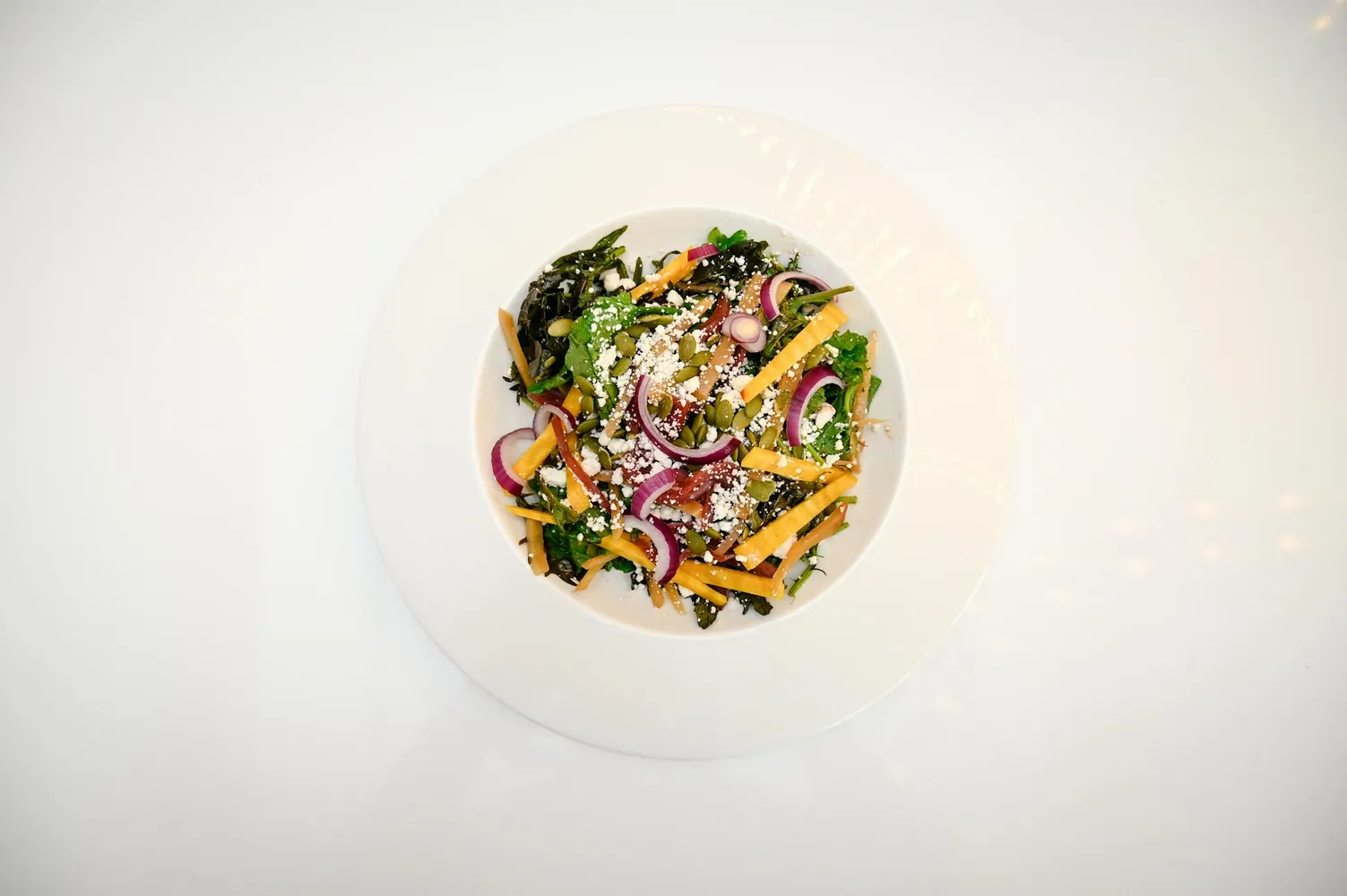
Embracing Seasonal Ingredients for Vibrant Salads
Creating salads using seasonal ingredients not only enhances their flavor but also offers nutritional benefits while supporting sustainable agriculture. Seasonal produce is fresher, more flavorful, and often more affordable than out-of-season options. This guide will help you understand the variety each season brings, providing you with a palette of ingredients to craft your salads.
Spring: Freshness and New Beginnings
In spring, nature awakens with a bounty of fresh greens like arugula, spinach, and watercress. These leafy greens serve as an excellent base for your salads. Consider incorporating radishes, asparagus, and peas for a crisp texture and vibrant color.
Summer: A Rainbow of Flavors
Summer is synonymous with an abundance of produce. Tomatoes, cucumbers, bell peppers, and zucchinis are at their peak, offering juiciness and crunch. Fruits like strawberries, peaches, and blueberries can add a delightful sweetness to your salads.
Autumn: Earthy and Hearty
As temperatures drop, root vegetables such as beets, carrots, and sweet potatoes become staples. These can be roasted for a warm salad or grated raw for a crunchy texture. Autumn's apples and pears also provide a crisp and juicy contrast to the earthy elements.
Winter: Warmth and Comfort
In winter, focus on robust greens like kale and cabbage that hold up well in hearty salads. Citrus fruits like oranges and grapefruits bring a zing of freshness and are perfect for adding brightness to cold-weather dishes.
Crafting Simple Yet Flavorful Dressings
A great salad dressing can elevate even the simplest of greens. Here are some easy recipes that you can customize based on your preferences.
Lemon Vinaigrette
This classic dressing is light and refreshing, perfect for spring and summer salads.
- Ingredients: 1/4 cup olive oil, 2 tablespoons fresh lemon juice, 1 teaspoon Dijon mustard, 1 clove garlic minced, salt, and pepper to taste.
Instructions: Combine all ingredients in a jar with a tight-fitting lid and shake vigorously until emulsified.
Honey Mustard Dressing
Ideal for those who prefer a sweet and tangy touch in their salads.
- Ingredients: 1/4 cup Greek yogurt, 2 tablespoons honey, 1 tablespoon mustard (Dijon or yellow), 1 tablespoon apple cider vinegar.
Instructions: Whisk all ingredients in a small bowl until smooth.
Tahini Dressing
This creamy dressing pairs well with hearty grains and roasted vegetables.
- Ingredients: 3 tablespoons tahini, 2 tablespoons lemon juice, 1 tablespoon olive oil, 1 tablespoon maple syrup or honey, water to thin as needed.
Instructions: Mix all ingredients except water in a bowl. Add water gradually until desired consistency is reached.
Enhancing Salads with Textural Variations
The key to an interesting salad is in its texture. By incorporating different elements, you can transform your salad from ordinary to extraordinary.
Crispy Elements
Add crunch with homemade croutons made from whole-grain bread or try toasted nuts such as almonds or walnuts. For a gluten-free option, roasted chickpeas are an excellent choice.
Creamy Additions
Avocado slices offer creaminess while being a healthy fat source. Crumbled feta or goat cheese can add richness without overwhelming the other flavors.
Sweet Touches
Dried fruits like cranberries or apricots offer a sweet contrast to savory components. Be mindful of portion sizes to maintain a balanced dish.
Salad Assembly Tips: Bringing It All Together
The art of salad-making lies in layering flavors thoughtfully. Here's a simple process to create well-balanced salads every time:
- Select Your Base: Start with fresh leafy greens suitable for the season. Mix varieties for complexity.
- Add Crunch: Incorporate raw vegetables such as carrots or cucumber slices for immediate textural contrast.
- Layer Proteins: For a more filling salad, include proteins like grilled chicken, tofu, or legumes (like lentils or beans).
- Include Additional Veggies or Fruits: Depending on the season, add fresh berries in summer or roasted squash in fall.
- Add Creamy or Rich Elements: Choose between avocado slices or crumbled cheese for indulgence without going overboard.
- Finish with Toppings: Sprinkle seeds like pumpkin or sunflower for added nutrition before dressing lightly to avoid sogginess.
Sustainability Considerations
Selecting seasonal produce helps reduce environmental impact as these items require fewer resources to grow when compared to out-of-season crops. By purchasing local products, you're supporting community agriculture and reducing carbon emissions associated with transportation.
Nurturing an appreciation for seasonal salads can lead you toward healthier eating patterns that benefit both personal health and planetary well-being. Whether seeking simplicity or experimenting creatively within bounds set by nature’s rhythm—let this journey through quick yet delicious salad-making inspire flavorful meals aligned harmoniously throughout changing seasons!