
Building Your Own Low-Calorie Sushi: Techniques and Ideas
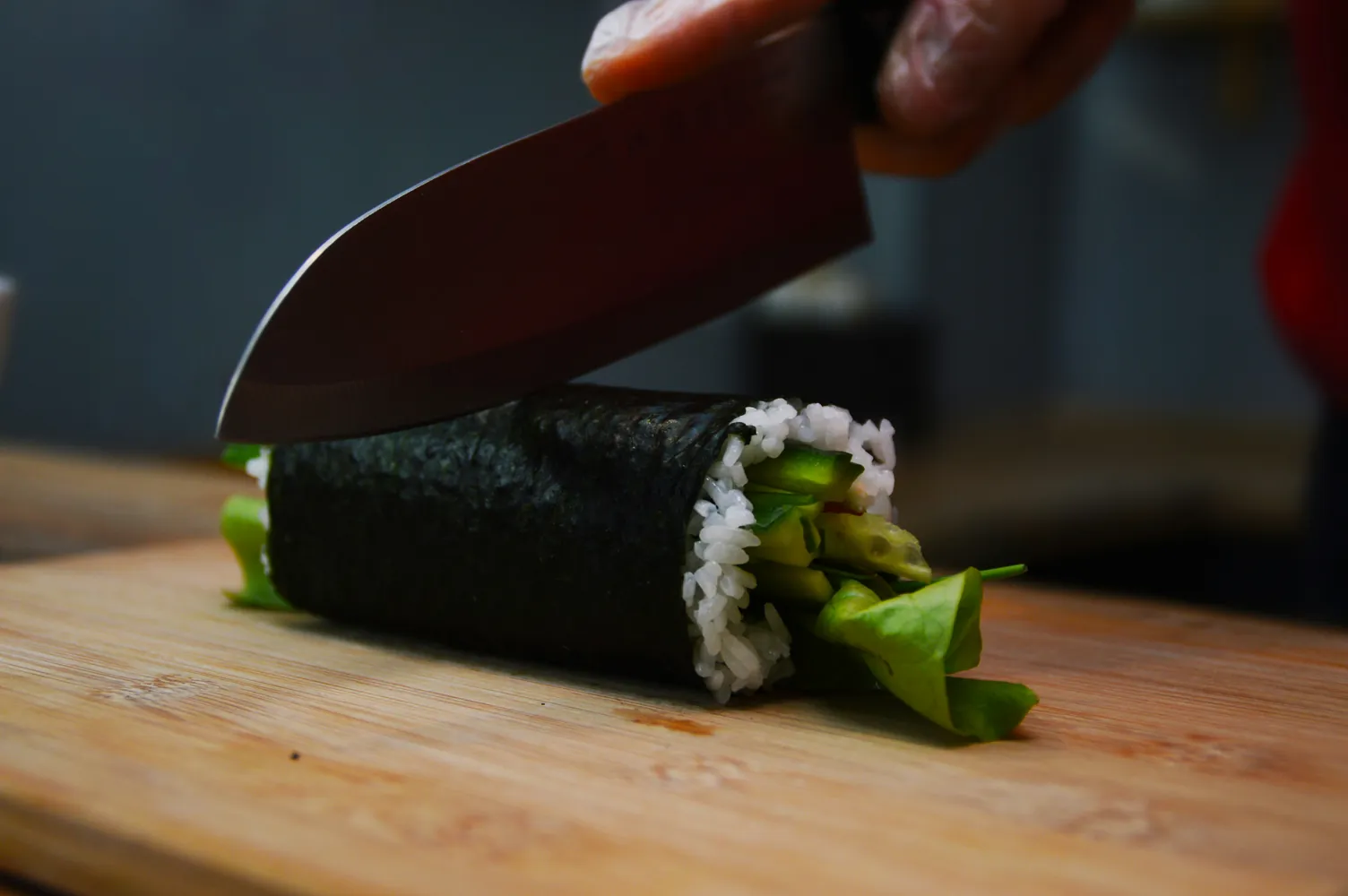
Discover the Art of Healthy Sushi Making
Sushi, a culinary art form from Japan, is celebrated globally for its delicate balance of flavors and textures. Traditionally, sushi can be high in calories due to ingredients like creamy sauces and tempura batter. However, with a few clever modifications, you can enjoy homemade sushi that fits perfectly into a low-calorie diet. This guide will walk you through selecting ingredients, rolling techniques, and serving ideas to create a delicious yet nutritious sushi experience at home.
Choosing Low-Calorie Ingredients
The key to making low-calorie sushi lies in ingredient selection. Here are some tips:
1. Swap White Rice for Healthier Options
Traditional sushi rice is seasoned with sugar and vinegar, which can add unnecessary calories. Consider these alternatives:
- Brown Rice: Offers more fiber and nutrients, adding to your sushi's nutritional value while keeping it flavorful.
- Quinoa: A protein-rich option that adds a nutty flavor to your rolls. Its texture holds up well in sushi.
- Cauliflower Rice: A low-carb substitute that mimics the texture of rice, keeping your rolls light and low-calorie.
2. Pick Lean Protein Sources
Instead of high-fat fish or fried options, go for lean proteins:
- Tuna and Salmon: Both are rich in omega-3 fatty acids but choose cuts like ahi tuna and fresh, not smoked, salmon for lower calorie counts.
- Shrimp: A great low-calorie option when boiled or steamed.
- Tofu: Firm tofu works well in sushi and is an excellent plant-based protein source.
3. Veggies for Flavor and Crunch
Vegetables are crucial for adding flavor and nutrients without many calories:
- Cucumber: Adds crunch and freshness.
- Avocado: Use sparingly for creaminess; it's nutrient-rich but higher in calories.
- Carrots: For sweetness and crunch.
- Bell Peppers: Provide vibrant color and a sweet flavor.
The Art of Rolling Sushi
Creating sushi at home can seem daunting, but with a few tips, you'll be rolling like a pro:
1. Master the Basics with Makizushi
Makizushi, or rolled sushi, is an ideal starting point. Follow these steps:
- Prepare Your Ingredients: Lay out your nori sheets, cooked rice substitute, protein, and vegetables.
- Spread Rice Evenly: On a bamboo mat covered with plastic wrap, spread a thin layer of rice, leaving about an inch at the top free.
- Add Fillings: Place chosen fillings horizontally across the center of the rice.
- Roll Tightly: Use the mat to roll the sushi away from you, applying gentle pressure to keep the roll tight.
2. Experiment with Nigiri
Nigiri sushi is simpler than it looks. Form small rice balls and top each with a slice of fish or vegetable. Secure with a thin strip of nori if needed. It’s easy to control portions this way, ensuring each piece stays low-calorie.
Sauces and Seasonings: Keeping It Light
Sauces can add significant calories, so use them wisely:
- Soy Sauce Alternative: Opt for low-sodium soy sauce or tamari for a lighter taste.
- Sriracha Mayo Substitute: Mix Greek yogurt with sriracha for a creamy, tangy dip without extra calories.
Serving Suggestions
Your healthy sushi creation deserves a beautiful presentation. Serve it with sides that enhance the dining experience without adding too many calories:
- Miso Soup: A light broth can complement sushi flavors perfectly.
- Seaweed Salad: Provides additional texture and flavor.
Avoid traditional desserts post-sushi; instead, end your meal with fresh fruits like watermelon or citrus fruits to cleanse the palate.
The Benefits of Making Sushi at Home
The advantages of crafting your own sushi are numerous:
- You have complete control over ingredients, ensuring everything fits your dietary needs.
- You can experiment with flavors and discover combinations tailored to your taste preferences.
Troubleshooting Common Issues
If you're new to making sushi, here are some common challenges and solutions:
- If the rolls fall apart, ensure you're not overstuffing and apply consistent pressure while rolling.
Your Path to Perfect Low-Calorie Sushi
The journey to perfecting homemade low-calorie sushi involves practice and creativity. By choosing the right ingredients and mastering basic techniques, you can enjoy this beloved dish as part of a healthy lifestyle. The possibilities are as endless as they are delicious!