
The Texture and Flavor Contrast of Chocolate Mousse Styles
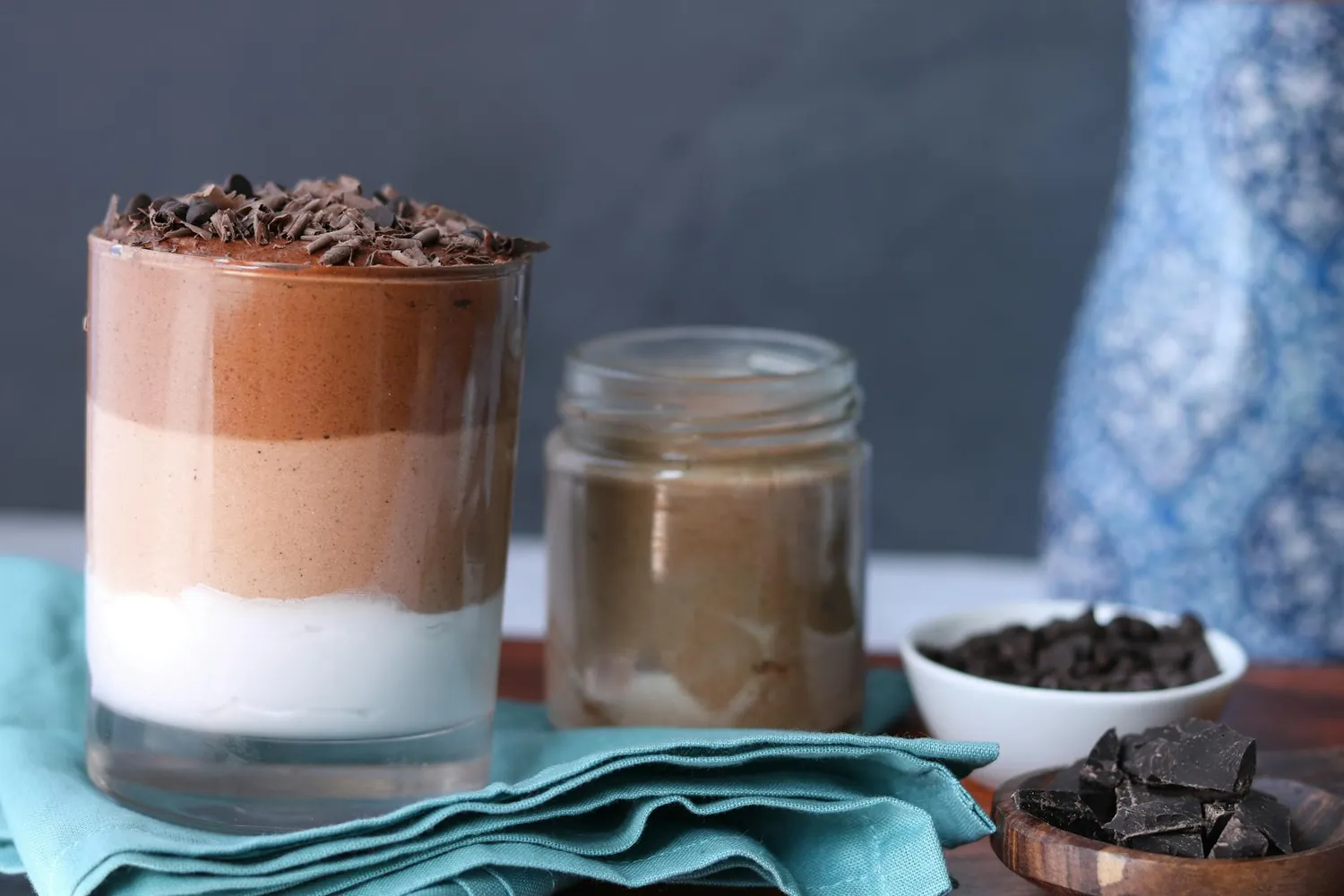
The Allure of Chocolate Mousse
Chocolate mousse is a dessert that has long been cherished for its luxurious texture and deep, rich flavor. Traditionally made with a combination of high-quality chocolate, eggs, cream, and sugar, this French classic has undergone various adaptations to cater to modern dietary preferences. Among these adaptations is the aquafaba-based mousse, a vegan alternative that uses the water from canned chickpeas as a substitute for egg whites. In this article, we will explore the distinct differences between traditional chocolate mousse and its aquafaba-based counterpart, focusing on their textures, flavors, and dietary considerations.
Traditional Chocolate Mousse: A Classic Confection
Ingredients and Process
The traditional chocolate mousse relies on a handful of simple ingredients that, when combined correctly, create a symphony of flavors and textures. Here's a look at the typical components:
- Chocolate: The star ingredient, typically dark chocolate with a cocoa content of at least 60%, provides the signature rich and complex flavor.
- Eggs: Egg yolks add richness and help thicken the mousse, while beaten egg whites contribute to its airy texture.
- Cream: Whipped cream is folded into the mousse to add lightness and a creamy mouthfeel.
- Sugar: A small amount is added to balance the bitterness of the chocolate.
The process involves melting the chocolate and gently incorporating it with egg yolks. Separately, egg whites are beaten to stiff peaks and then delicately folded into the chocolate mixture along with whipped cream. This delicate balance of ingredients and techniques results in a mousse that's both light and indulgent.
Texture and Flavor Profile
The traditional chocolate mousse boasts a velvety texture that melts effortlessly on the tongue. The beaten egg whites create an airy structure, while the whipped cream ensures a creamy consistency. The flavor is deeply chocolaty, thanks to the use of quality dark chocolate, with a subtle sweetness from the sugar. This combination of smoothness and richness makes it an unforgettable dessert experience.
Aquafaba-Based Chocolate Mousse: A Vegan Delight
Ingredients and Process
Aquafaba-based chocolate mousse offers a plant-based alternative without compromising on texture or taste. The key ingredients include:
- Chocolate: Similar to the traditional version, high-quality dark chocolate is essential for its deep flavor.
- Aquafaba: The liquid from canned chickpeas acts as an egg white substitute. It’s whipped into stiff peaks, mimicking the airy structure that egg whites provide.
- Coconut Cream or Dairy-Free Cream: These alternatives replace traditional whipped cream, adding creaminess to the mousse.
- Sweetener: Maple syrup or agave nectar are often used to sweeten the mousse naturally.
The process mirrors that of the traditional mousse, beginning with melting the chocolate. The aquafaba is then beaten into stiff peaks, which takes slightly longer than egg whites. Finally, it’s folded into the melted chocolate along with coconut cream or a similar substitute, creating a luscious vegan mousse.
Texture and Flavor Profile
The aquafaba-based mousse also achieves a light and airy texture, closely resembling that of its traditional counterpart. However, it may be slightly less creamy due to the absence of dairy cream. The use of dark chocolate ensures a rich flavor profile, while natural sweeteners contribute subtle notes that can complement or contrast depending on personal preference.
Dietary Considerations: Meeting Diverse Needs
Traditional Mousse Considerations
The traditional chocolate mousse, while decadent, may not be suitable for all dietary needs. Here are some considerations:
- Lactose Intolerance: The use of cream makes it unsuitable for those who are lactose intolerant unless lactose-free cream is used.
- Vegan Diets: With eggs and dairy as primary ingredients, it does not fit vegan dietary requirements.
- Gluten-Free Diets: Generally gluten-free unless cross-contamination occurs in preparation.
Aquafaba-Based Mousse Considerations
This alternative opens up possibilities for those with specific dietary needs:
- Vegan-Friendly: Completely plant-based, making it suitable for vegans.
- Lactose-Free: Using coconut cream or other dairy-free options ensures it's safe for those avoiding lactose.
- Allergen Considerations: While free from eggs and dairy, individuals with legume allergies should exercise caution due to the use of aquafaba.
Practical Tips for Perfecting Your Mousse
Selecting Quality Ingredients
No matter which style you choose, selecting high-quality ingredients is crucial. Opt for premium dark chocolate with at least 70% cocoa content for a more intense flavor. For aquafaba-based mousse, ensure your chickpeas are cooked properly or sourced from trusted brands to achieve the best consistency when whipping.
The Art of Folding
The key to both styles of mousse lies in the folding technique. Be gentle when incorporating whipped ingredients to maintain airiness. Use a spatula to fold from the bottom of the bowl upwards in smooth motions to avoid deflating your mixture.
Chilling for Perfection
Both mousses benefit from adequate chilling time before serving. Aim for at least two hours in the refrigerator to allow the flavors to meld and textures to set properly.
Conclusion: Choosing Your Style
The choice between traditional and aquafaba-based chocolate mousse ultimately depends on your dietary preferences and personal taste. Each offers a unique experience: one rooted in classic indulgence and the other in innovative plant-based adaptation. Whichever you choose, both promise to deliver a delightful balance of texture and flavor worthy of any dessert table.