
The Flavor and Texture Differences in Cheesecake Styles Explained
Understanding the Basics: Baked vs. No-Bake Cheesecakes
Cheesecake, a beloved dessert with roots tracing back to ancient Greece, has evolved into numerous styles and variations. However, when we talk about cheesecake today, two main types stand out: baked and no-bake. Each style offers distinct flavor profiles and textures, catering to different preferences and occasions.
Characteristics of Baked Cheesecake
Baked cheesecakes are quintessentially creamy and dense. The baking process gives them a rich texture, akin to a custard, which some people find irresistible. This is achieved by cooking the cheesecake in an oven, often using a water bath technique to prevent cracking. Ingredients like cream cheese, eggs, sugar, and vanilla extract are essential in this style.
The flavor of baked cheesecake is intense and full-bodied, with the baking process bringing out the natural sweetness and tanginess of the cream cheese. One classic example is the New York-style cheesecake, known for its ultra-dense and creamy texture. With a hint of lemon zest and often topped with fresh fruit or a berry compote, this variant is a staple in many American households.
Characteristics of No-Bake Cheesecake
No-bake cheesecakes are often lauded for their convenience and simplicity. Without the need for an oven, these cheesecakes set in the refrigerator thanks to ingredients like gelatin or whipped cream that stabilize the filling. The result is a lighter, mousse-like texture that's less dense than its baked counterpart.
The flavor of a no-bake cheesecake is usually more delicate. Since it isn't subjected to high heat, the subtleties of vanilla or citrus zest can shine through without competing against the deeper caramelized notes that baking brings out. A typical no-bake cheesecake might incorporate flavors like chocolate or fruit swirls, adding layers of taste that complement the lightness of the cake.
Texture Variations: How They Influence Your Choice
The texture of your cheesecake largely dictates your overall eating experience. The difference between the creamy denseness of a baked cheesecake and the airy lightness of a no-bake version can influence both personal preference and occasion suitability.
Dense and Creamy: The Appeal of Baked Cheesecake
Baked cheesecakes, such as the classic New York style, have a smooth yet firm consistency due to the baking process which cooks the eggs within. This results in a dessert that can hold its shape well when sliced, perfect for formal occasions where presentation matters.
Additionally, baked cheesecakes offer a slight crumbly texture from their graham cracker or cookie crusts, contrasting beautifully with their creamy interior. This texture contrast is often cited as one of the reasons baked cheesecakes are considered luxurious desserts.
Light and Airy: The Allure of No-Bake Cheesecake
No-bake cheesecakes typically boast an ethereal lightness due to the incorporation of whipped cream or whipped topping. This makes them particularly appealing during warmer months when a heavier dessert might feel too indulgent.
The crust in no-bake versions tends to be softer as well because it's not exposed to the firming effects of heat. However, this doesn't detract from its charm; rather, it adds to the melt-in-your-mouth quality that many enjoy.
Flavor Profiles: A Symphony of Tastes
While texture plays a crucial role in cheesecake appreciation, flavor is equally important. Understanding how different preparation methods impact flavor can help you choose the best style for any given situation.
Richness of Baked Cheesecakes
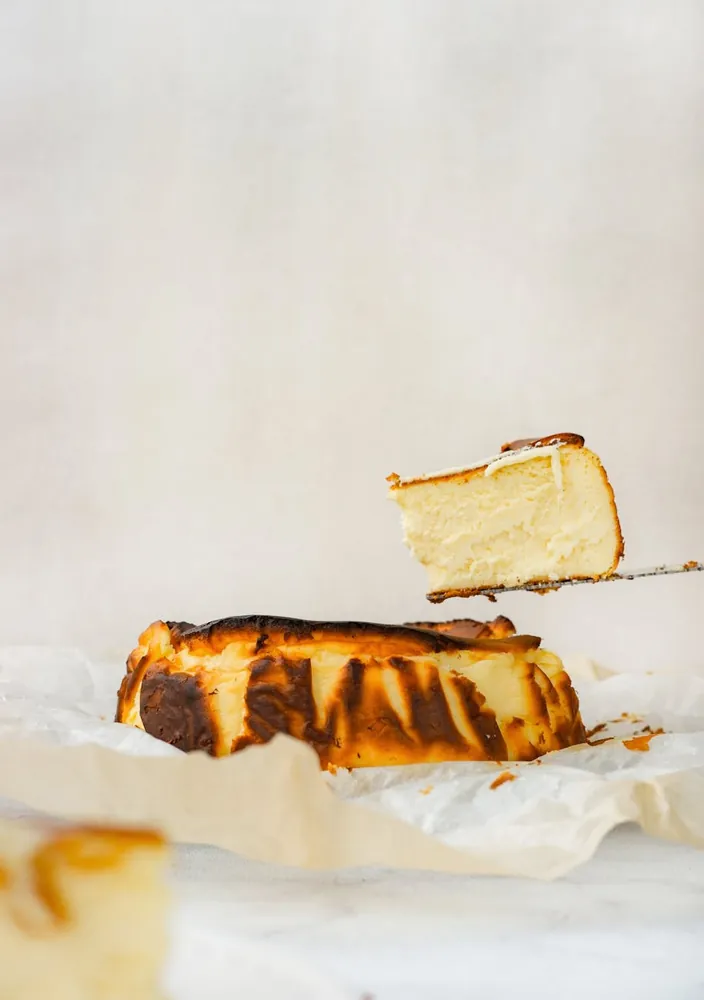
The intense cooking process of baked cheesecakes enhances their flavor depth. Caramelization occurs around the edges where batter meets heat, creating complex notes that can include hints of caramel or browned butter.
This deep flavor makes baked cheesecakes ideal for pairings with strong accompaniments like espresso coffee or robust red wines. Such combinations can elevate the dining experience by balancing richness with complementary bitterness or acidity.
Delicate Notes in No-Bake Cheesecakes
No-bake cheesecakes offer subtler flavors as they avoid direct exposure to heat. This allows ingredients such as fresh fruit purees or chocolate shavings to maintain their inherent flavors without alteration.
A no-bake cheesecake with a raspberry swirl topping will burst with vibrant fruitiness that remains true to the ingredient's original taste profile. These desserts pair well with light beverages such as herbal teas or sparkling wines that won't overpower their gentle flavors.
Time Constraints: Deciding When to Use Each Style
Your choice between a baked or no-bake cheesecake can also depend on practical considerations like time availability and equipment access.
Baked Cheesecakes: When Time Allows
If you have ample time and seek a showstopper dessert, a baked cheesecake might be your best bet. Although baking and cooling times are longer—often requiring hours or even overnight refrigeration—the end result is worth it for those special occasions where culinary excellence is desired.
For instance, if you're planning a dinner party and want a centerpiece dessert that garners applause from guests, dedicating time to prepare a classic baked cheesecake could be worthwhile.
No-Bake Cheesecakes: Quick Delights
No-bake cheesecakes shine when time is limited or kitchen facilities are constrained (such as during summer BBQs or picnics). With minimal ingredients and easy assembly steps, they're perfect for those spontaneous sweet cravings or last-minute gatherings.
Moreover, no-bake options are excellent projects for involving children in the kitchen since they require no exposure to heat—a safe choice for young chefs eager to assist in dessert preparations!
Practical Tips for Perfecting Each Style
- Baked Cheesecake Tip: Use a water bath (bain-marie) during baking to ensure even cooking and prevent surface cracks. Wrap your springform pan in aluminum foil to keep water from seeping into your crust.
- No-Bake Cheesecake Tip: To achieve optimal firmness without gelatin, use chilled heavy whipping cream. Whip until stiff peaks form before folding into your cream cheese mixture for added structure and volume.
Final Thoughts: Choosing Your Ideal Cheesecake
The decision between baked and no-bake cheesecake ultimately rests on your personal preferences, available resources, and specific needs for each occasion. Whether you lean towards the decadent richness of a baked version or prefer the light elegance of a no-bake delight, understanding these differences equips you to create memorable desserts tailored to any audience.