
A Practical Approach to Baking Mini Pavlovas with Seasonal Ingredients
The Elegance of Mini Pavlovas
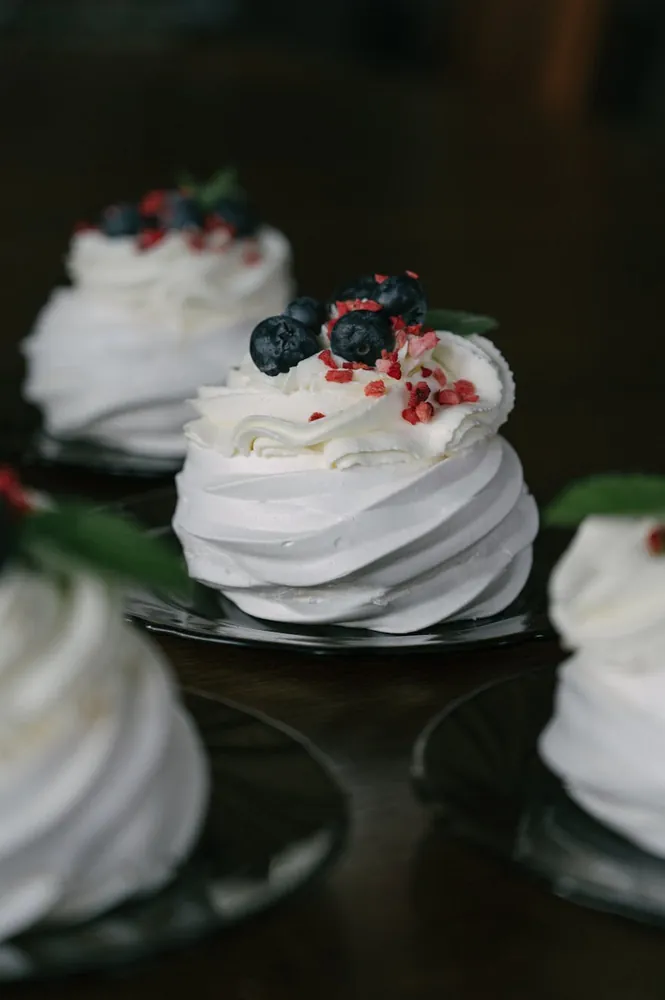
Mini Pavlovas present an elegant, airy dessert option that allows home bakers to explore seasonal flavors with creativity. Named after the Russian ballerina Anna Pavlova, this dessert combines a delicate meringue base with a medley of fresh fruits and cream. It's as much about the visual presentation as it is about the taste.
This guide will take you through each step of creating the perfect mini Pavlova, focusing on achieving that sought-after crisp shell with a soft, marshmallowy interior, and then explore how you can adorn them with the freshest produce from each season.
Mastering Meringue: The Foundation of Pavlovas
Understanding Ingredients and Their Roles
The classic meringue is made with just three ingredients: egg whites, sugar, and a stabilizing agent such as cornstarch or vinegar. Each plays a crucial role:
- Egg Whites: They need to be at room temperature for maximum volume. The proteins in egg whites unfold and trap air when whisked, forming the basis of your meringue.
- Sugar: Gradually added to egg whites, it dissolves and stabilizes the foam. Use superfine or caster sugar as it dissolves more easily than granulated sugar.
- Cornstarch or Vinegar: These help stabilize the meringue and contribute to its soft center. A teaspoon of cornstarch or a few drops of vinegar will suffice.
Step-by-Step Meringue Preparation
Start by ensuring all your utensils are clean and free from grease, which can prevent your egg whites from whipping properly.
- Preheat your oven: Set it to 250°F (120°C). Low and slow baking is key to perfecting the texture.
- Whisking Egg Whites: Begin by beating room-temperature egg whites at a low speed until frothy. Increase to medium-high speed until soft peaks form.
- Add Sugar Gradually: With the mixer running, add sugar one tablespoon at a time, allowing it to dissolve completely before adding more. Continue until stiff peaks form—this means when you lift the whisk, peaks should stand up without drooping.
- Fold in Stabilizers: Gently fold in your chosen stabilizer. Be careful not to deflate the mixture.
Piping and Baking
Once your meringue is ready, it's time to shape your mini Pavlovas.
- Piping: Use a piping bag fitted with a star tip. Pipe small circles onto a parchment-lined baking sheet. Aim for a diameter of about 3-4 inches, with a slight indentation in the center to hold your toppings.
- Baking: Place the baking sheets in the oven and immediately reduce the temperature to 225°F (110°C). Bake for about 60-70 minutes. The meringues should be firm to touch but still pale. Turn off the oven and let them cool inside for another hour to prevent cracking.
Embracing Seasonal Ingredients
The beauty of mini Pavlovas lies in their versatility. Seasonal toppings not only enhance flavor but also make your desserts visually appealing and environmentally friendly.
Spring: Fresh Beginnings
Spring offers a bounty of fresh berries like strawberries, blueberries, and raspberries. Pair these with a light lemon curd or elderflower syrup for added freshness.
Summer: A Vibrant Palette
During summer, capitalize on tropical fruits such as mangoes and passionfruit. Their bright colors and sweet-tart flavors create a delightful contrast against the creamy Pavlova base. Mint leaves add an aromatic touch.
Autumn: Rich Hues
In autumn, figs, pomegranates, and pears come into play. A drizzle of spiced caramel or honey complements the earthy flavors of fall fruits beautifully.
Winter: Cozy Comforts
Citrus fruits like blood oranges and clementines shine in winter. The zest can be incorporated into whipped cream or mascarpone cheese for depth of flavor.
Perfecting Presentation
A successful Pavlova isn’t just about taste—presentation plays an essential role too. Here’s how to make your mini Pavlovas stand out:
- Layering Toppings: Start with a dollop of whipped cream or mascarpone cheese. Add your choice of fruits sparingly so each bite holds its unique flavor.
- Adding Texture: Incorporate elements like toasted almonds or grated dark chocolate for crunch and contrast.
- A Touch of Flair: Edible flowers or dustings of icing sugar provide that final flourish, elevating your dessert from simple to spectacular.
Troubleshooting Common Issues
Baking meringues can be finicky due to factors like humidity or incorrect temperatures. Here’s how to address common problems:
- Meringue Weeping: If liquid seeps out during baking, ensure you're using fresh eggs and add sugar slowly. Over-whisking can also cause this issue.
- Meringue Cracks: This often results from cooling too quickly. Always let them cool gradually inside the oven.
Your Seasonal Showcase Awaits
Baking mini Pavlovas with seasonal ingredients not only highlights your culinary skills but also showcases nature's freshest offerings throughout the year. With practice and patience, you'll soon be crafting desserts that delight both the eyes and palate of any guest lucky enough to indulge.