
the role of salt in achieving flavorful al dente pasta
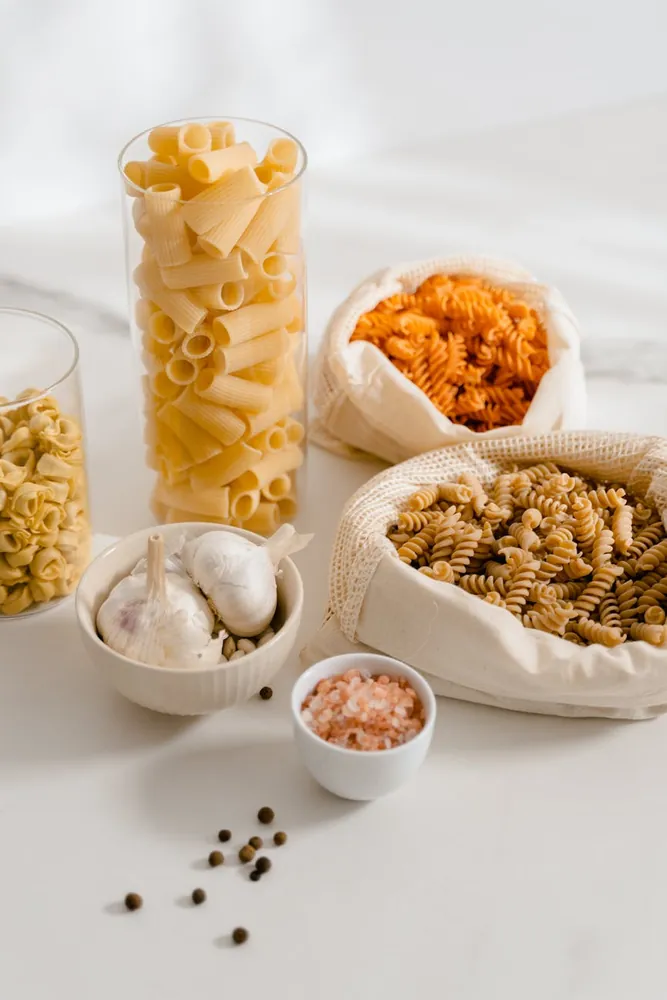
The Science of Salting Pasta Water
When it comes to cooking pasta, one seemingly simple yet critical step can make all the difference in the world: salting the pasta water. The practice isn't just about adding flavor; it plays a vital role in achieving that perfect al dente texture that makes pasta so enjoyable.
The primary function of salt in pasta cooking is to season the noodles from the inside out. Unlike salting your sauce or adding cheese, which flavors only the exterior of the pasta, salting the cooking water allows sodium ions to penetrate the pasta as it cooks, distributing flavor throughout each strand or piece.
Why Salt Matters for Texture
Salt impacts not just flavor but also the texture of pasta. As pasta cooks, starches within begin to gelatinize and absorb water. A salted environment enables these starches to set more robustly, giving pasta that characteristic bite, commonly referred to as 'al dente.' Conversely, cooking pasta in unsalted water often results in a mushier texture, lacking that desirable toothsome quality.
Optimal Measurements for Salted Pasta Water
So how much salt should you use? The traditional guideline is to make your water as salty as the sea, which roughly translates to using about 1-2 tablespoons of salt per gallon (approximately 4 liters) of water. This ratio can vary based on taste preferences and health considerations.
- For a mild flavor: Use 1 tablespoon of salt per gallon of water.
- For a stronger seasoning: Go for 2 tablespoons per gallon.
Remember, different types of salt have different densities, so measurements can vary. For example, kosher salt tends to be less dense than table salt, so you'll need a little more to achieve the same level of salinity.
The Timing of Adding Salt
The timing of adding salt to pasta water is another crucial aspect. Conventional wisdom suggests adding salt once the water reaches a boil. This approach ensures that the salt dissolves completely and quickly integrates into the boiling water, minimizing any delay in the cooking process.
What Happens if You Add Salt Too Early?
If you add salt before boiling, you might increase the boiling point slightly due to what's known as boiling point elevation—a phenomenon where the presence of dissolved substances (like salt) raises the boiling point of a liquid. However, this effect is minimal and doesn't significantly affect cooking times for practical purposes.
Health Considerations: Balancing Flavor and Sodium Intake
While salt is essential for flavor and texture, it's also important to consider dietary restrictions and health guidelines regarding sodium intake. Health experts generally recommend limiting sodium intake to around 2300 mg per day for adults—roughly equivalent to one teaspoon of table salt.
If you're concerned about sodium levels but don't want to compromise on flavor, consider using flavored salts with herbs or spices, which may allow you to reduce the overall amount while still imparting great taste. Alternatively, potassium chloride-based salts offer lower sodium options though they can have a slightly different flavor profile.
Practical Tips for Perfect Pasta Every Time
- Use plenty of water: Pasta needs room to cook evenly. Use at least one gallon of water per pound of pasta to prevent sticking.
- Taste test: A quick taste is the best way to judge if your pasta is properly salted.
- Save some pasta water: Before draining, save a cup of that starchy water. It’s excellent for adjusting sauce consistency and helping sauces adhere better to the pasta.
A Workflow for Cooking Perfect Pasta
1. Fill a large pot with at least four quarts (about one gallon) of water per pound of pasta.
2. Bring the water to a rolling boil over high heat.
3. Add 1-2 tablespoons of salt depending on your flavor preference.
4. Add your pasta and stir immediately to prevent sticking.
5. Cook according to package instructions until al dente, typically about 8-10 minutes.
6. Taste a piece close to the end of cooking time for seasoning and texture.
7. Reserve a cup of pasta water before draining.
8. Drain and toss your pasta with sauce immediately or toss it with olive oil if waiting.
Conclusion: The Subtle Art of Salted Pasta Perfection
The role of salt in cooking pasta goes beyond mere seasoning; it’s an essential component that affects both flavor and texture significantly. By understanding how much salt to use and when to add it, you can elevate your home-cooked pasta dishes from ordinary to exceptional.
Whether you’re crafting a simple aglio e olio or a complex seafood linguine, starting with well-salted water can set the foundation for an unforgettable meal. So next time you're preparing a pasta dish, remember: every pinch counts!