
Searing Masterclass: Essential Tips from Professional Chefs
Understanding the Science of Searing
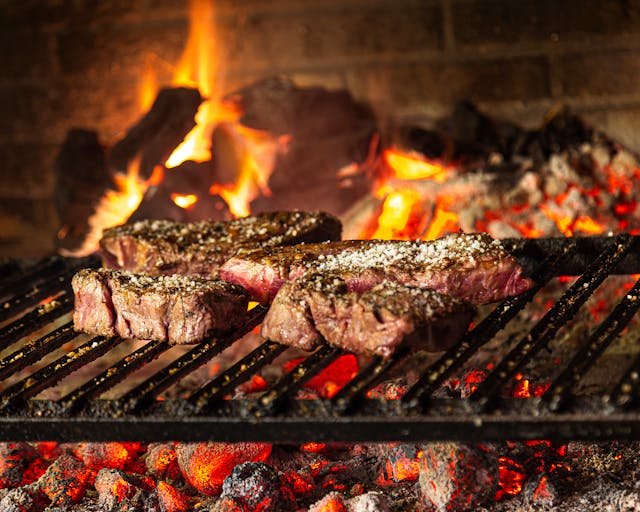
Searing is more than just a cooking technique; it's an art form that combines science and culinary skill to enhance flavors and textures. At its core, searing involves cooking the surface of the meat at high temperatures until a brown, caramelized crust forms. This process not only locks in moisture but also enhances the meat's flavor through the Maillard reaction—a complex chemical reaction between amino acids and reducing sugars.
The Importance of Temperature
One of the most crucial factors in achieving a perfect sear is temperature. Many home cooks make the mistake of underestimating how hot their cooking surface needs to be. Professional chefs recommend heating your pan or grill to at least 400°F (200°C) before adding your meat. This high heat is necessary for the Maillard reaction to occur efficiently.
Tools of the Trade
Investing in the right tools can make a significant difference. Stainless steel or cast iron pans are preferred by chefs for their ability to retain and evenly distribute heat. A heavy-duty thermometer is also invaluable to ensure you're working at optimal temperatures.
Choosing the Right Meat
While almost any type of meat can benefit from searing, some cuts are more conducive to a superior sear. Cuts with higher fat content such as ribeye steaks or pork chops often yield better results due to their ability to brown more deeply and develop complex flavors.
- Ribeye Steak: Known for its marbling, this cut develops an irresistible crust.
- Pork Chops: The fat along the edge caramelizes beautifully, enhancing flavor.
It's also essential that the meat is dry before it hits the pan. Pat it down with paper towels to remove excess moisture, which can cause steaming instead of searing.
Professional Techniques for Perfect Searing
A few techniques can help elevate your searing skills:
- The Two-Step Sear: Begin by searing your meat on a high heat to achieve a crust, then finish it off in the oven to cook through evenly without burning.
- Basting: Top chefs like Thomas Keller often use basting during the sear. Add butter, garlic, and herbs to your pan and continually spoon this mixture over the meat for extra flavor and moisture.
Case Study: Chef Alex Guarnaschelli's Signature Sear
Celebrity chef Alex Guarnaschelli swears by the technique of 'sear-and-bake' for her renowned New York strip steak. She starts by preheating a cast-iron skillet until it's smoking hot, then adds just a touch of vegetable oil for a quick sear. Once both sides have developed a robust crust, she transfers the steak to a preheated oven at 375°F (190°C) for about six minutes, resulting in a juicy medium-rare perfection.
Retaining Moisture: A Delicate Balance
The ultimate goal of searing is to create a flavorful crust while keeping the interior moist and tender. One critical aspect of this is resting your meat after cooking. Allow your meat to rest for at least 5-10 minutes before slicing into it. This resting period allows juices that have been pushed towards the center during cooking to redistribute throughout the meat.
Troubleshooting Common Searing Issues
If you're finding it difficult to achieve that perfect sear, you might be falling into some common traps:
- Overcrowding the Pan: Adding too much meat at once can drop the pan's temperature, preventing proper browning.
- Lack of Patience: Resist the urge to move your meat around. Allow it to cook undisturbed for a few minutes on each side.
A Final Word from Professional Chefs
Top chefs emphasize that practice makes perfect. Keep experimenting with different meats and methods, paying close attention to how your meat responds to various temperatures and times. By honing these techniques, you'll master searing as an indispensable part of your culinary repertoire, elevating dishes beyond ordinary meals to memorable dining experiences.