
Perfecting the Sear: A Comprehensive Five-Step Approach for Meats
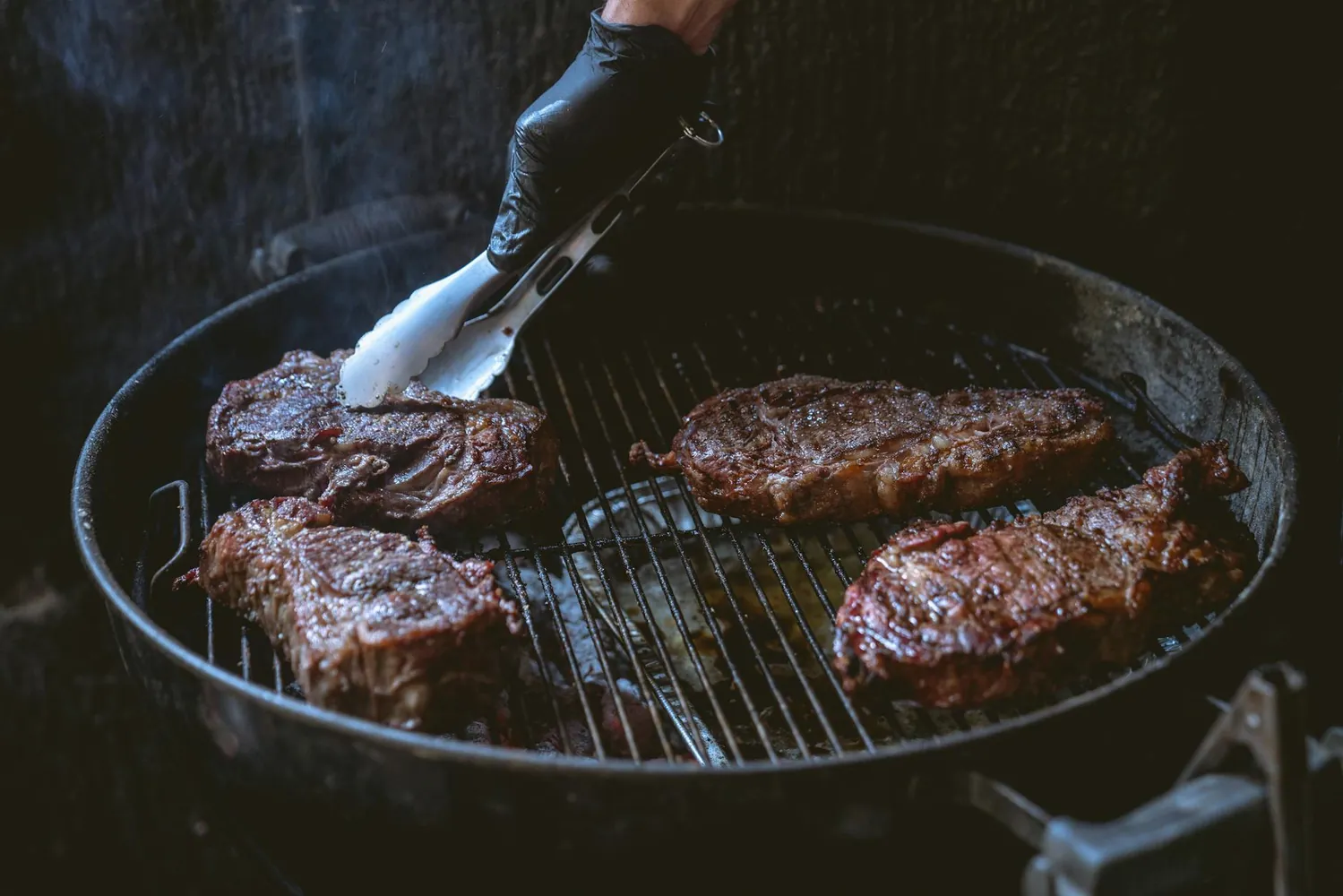
The Art and Science of Searing Meat
To sear a piece of meat perfectly is to master a fundamental culinary skill that transforms the ordinary into the extraordinary. Searing is about creating that coveted golden-brown crust that enhances flavor, adds texture, and brings out the savory richness of the meat. In this article, we'll explore a detailed five-step approach to achieving the perfect sear, focusing on critical elements such as temperature control, seasoning, and timing.
Step 1: Choosing the Right Cut and Preparation
Selecting the Best Cut
The foundation of a good sear begins with choosing the right cut of meat. Cuts with a balanced fat content, such as ribeye steaks, pork chops, or chicken thighs, provide excellent flavor and moisture. Fat not only adds flavor but also helps in forming a crispy crust when rendered properly.
Preparing Your Meat
Preparation is key. Ensure your meat is at room temperature before you begin cooking. Cold meat leads to uneven cooking and may result in a greyish interior. Pat the meat dry with paper towels; moisture on the surface hinders browning due to steam generation.
Step 2: Mastering Heat Control
The Right Equipment
A heavy-bottomed pan, such as a cast-iron skillet, is ideal for searing. It retains heat well, allowing for consistent high temperatures crucial for proper browning.
Preheating Your Pan
Heat your pan over medium-high heat until it's hot enough to evaporate water droplets immediately. You can test this by sprinkling a few drops of water onto the pan—if they sizzle and disappear right away, your pan is ready.
Step 3: Seasoning with Precision
Season your meat generously with salt just before placing it in the pan. Salt draws out moisture and enhances the Maillard reaction, which is responsible for the complex flavors of well-seared meat. For additional flavor, consider using freshly cracked pepper or spices like smoked paprika or cumin for depth.
- Salt your meat at least 40 minutes before cooking for deeper flavor if you have time.
- Add herbs like rosemary or thyme after searing to infuse aroma without burning them.
Step 4: Timing the Sear Perfectly
Once your pan is ready and your meat is seasoned, carefully place the meat into the pan away from you to avoid splatters. Resist the urge to move it around; instead, let it cook undisturbed to develop a deep crust. Timing will vary based on thickness—usually about 3 to 5 minutes per side for steaks. For thicker cuts like pork chops or chicken breasts, use an oven-safe thermometer inserted into the thickest part; remove them from heat at around 130°F for medium-rare (for beef) and allow carryover cooking to finish the job.
Step 5: Finishing Techniques for Enhanced Flavor
The Butter Baste
As your meat nears completion, add a knob of butter and aromatics such as crushed garlic cloves or herbs to the pan. Tilt the pan slightly and use a spoon to baste the hot butter over the meat, enriching its flavor and adding a glossy finish.
The Rest Period
Once cooked, transfer your meat to a plate and let it rest for at least 5 minutes. This rest allows juices to redistribute throughout the meat, ensuring a juicy interior when sliced.
Case Study: Searing a Ribeye Steak
Imagine you're preparing a ribeye steak for a dinner party. Begin by selecting a well-marbled ribeye and bring it to room temperature. Preheat your cast-iron skillet on medium-high heat for about five minutes.
Pat the steak dry, season it generously with kosher salt and freshly cracked black pepper, then place it in the hot skillet. After three minutes, check for a golden-brown crust before flipping it gently. Add some butter, garlic cloves, and rosemary sprigs, basting continuously until it reaches 125°F internally for medium-rare.
Remove from heat and let it rest while you prepare any sides or accompaniments, such as a simple salad or roasted vegetables. The result is a beautifully seared ribeye that's both flavorful and tender.
Troubleshooting Common Issues
- If your meat steams rather than sears, ensure it's dry and your pan is sufficiently hot before adding it.
- If crust formation seems slow, check that you're using enough fat in the pan to aid caramelization.
Conclusion
Searing meat perfectly requires attention to detail across multiple factors—from choosing quality cuts and controlling heat to seasoning adequately and perfecting timing. By mastering these steps, you can elevate your culinary creations with perfectly seared meats that impress every time.