
Master the Art of Making Perfectly Fluffy Rice with Ease
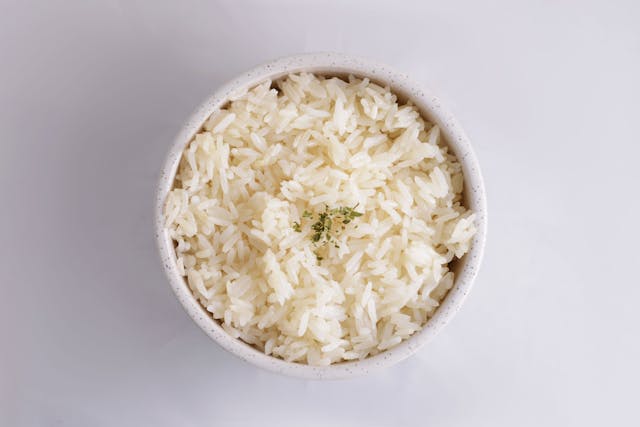
Unlock the Secrets to Fluffy Rice
Cooking rice may seem straightforward, but achieving perfectly fluffy rice can often feel like an elusive goal. Whether you're preparing a side dish for a family dinner or crafting a base for your favorite stir-fry, understanding the nuances of cooking rice can elevate your culinary creations. In this article, we'll explore the essential techniques that guarantee light and airy rice, using a foolproof method based on the classic 1:2 water-to-rice ratio.
The Basics of Rice Cooking
At its core, cooking rice involves water absorption until each grain is tender and fully cooked. While this sounds simple, several factors can influence the final texture of your rice. Understanding the right type of rice, precise measurements, and key cooking stages will help you achieve consistently fluffy results.
Choosing the Right Rice
The type of rice you select significantly impacts the texture and flavor of your dish. Here's a quick guide to common varieties:
- Basmati Rice: Known for its fragrant aroma and long grains, basmati rice remains separate after cooking, making it ideal for pilafs.
- Jasmine Rice: Slightly sticky with a floral scent, jasmine rice complements Southeast Asian dishes perfectly.
- Long-Grain White Rice: A versatile option with less stickiness, suitable for everyday meals.
- Brown Rice: With its chewy texture and nutty flavor, brown rice is more fibrous and nutritious but requires longer cooking times.
Understanding the Water-to-Rice Ratio
The cornerstone of fluffy rice is mastering the water-to-rice ratio. The commonly used 1:2 ratio (one part rice to two parts water) is reliable for most types of rice. However, adjustments might be needed depending on the specific variety:
- Long-Grain White Rice: Stick to the 1:2 ratio for perfect fluffiness.
- Basmati Rice: A slightly reduced ratio (1:1.5) helps maintain separate grains.
- Brown Rice: Requires more water (about 1:2.5) due to its fibrous outer layer.
Perfecting Your Simmering Time
Simmering is a crucial step in rice cooking, where precise timing ensures even cooking without excess moisture. Here's a basic timeline to follow:
- Bring water to a gentle boil over medium heat before adding the rinsed rice.
- Once boiling, reduce the heat to low and cover the pot with a tight-fitting lid.
- Avoid uncovering the pot during cooking to prevent steam escape.
The average simmering time for white rice is about 18 minutes. For brown rice, anticipate around 35-45 minutes depending on the specific variety.
The Importance of Resting
Resting your rice after cooking allows the grains to firm up and excess steam to distribute evenly. This step is vital in achieving that coveted fluffiness:
- After cooking, remove the pot from heat and let it sit, covered, for at least 10 minutes.
- Use a fork to gently fluff the rice before serving, ensuring separation of grains without breaking them.
Troubleshooting Common Issues
If your rice isn't turning out as expected, consider these troubleshooting tips:
- If the rice is too hard or chewy, add a bit more water and continue simmering.
- If it's too mushy or wet, uncover the pot and let it cook on low heat for a few minutes to evaporate excess moisture.
A Mini-Framework for Perfect Rice Every Time
Consistency in cooking fluffy rice comes from practice and precision. Here's a simple framework you can adopt for any type of rice:
- Select Your Rice: Choose a variety suited for your dish and measure your portions accurately.
- Rinse Thoroughly: Rinsing removes excess starch that can make rice gummy.
- Measure Precisely: Use the correct water-to-rice ratio specific to your selected rice type.
- Simmer Gently: Once boiling, immediately reduce heat to maintain a gentle simmer without uncovering.
- Rest and Fluff: Allow resting time off heat before using a fork to gently fluff.
This framework ensures you develop an intuitive sense for adjusting variables like water content and heat based on real-time observations during cooking.
The Role of Equipment
Your choice of cooking vessel can also affect results. A heavy-bottomed pot or dedicated rice cooker distributes heat more evenly, reducing risks of unevenly cooked or burnt rice. If you frequently cook large quantities, investing in a quality rice cooker with adjustable settings may be beneficial.
Experimentation and Adjustments
Cooking is an art as much as it is a science. Don't hesitate to experiment with flavors by adding spices or herbs to your cooking water. Ingredients like saffron threads or bay leaves can impart subtle depth to plain rice. Adjust ratios slightly based on personal texture preferences and specific conditions like altitude or humidity in your kitchen environment.
By embracing these techniques and being mindful of each step, you'll not only master fluffy rice but also enhance your overall culinary skills. As you gain confidence, try new varieties and explore global cuisines that highlight rice as a staple ingredient.