
key techniques for preserving the performance of kitchen equipment
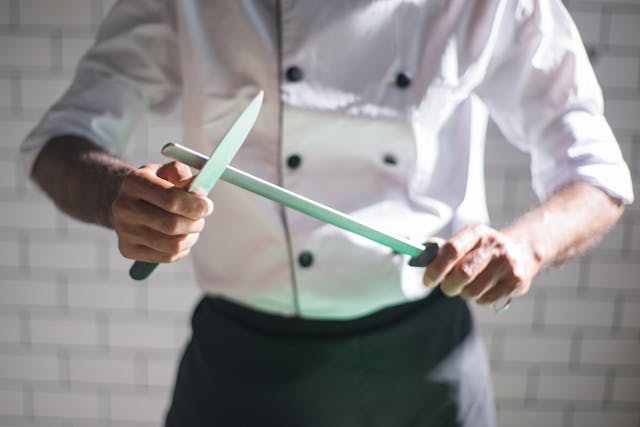
Ensuring Your Knives Stay Sharp and Efficient
Knives are among the most important tools in any kitchen. Keeping them sharp not only ensures efficient and safe cutting but also prolongs their lifespan. Let's explore the key techniques to maintain your knives in peak condition.
Regular Sharpening: A Cornerstone of Knife Maintenance
Regular sharpening is essential to maintaining knife performance. A dull knife requires more force to cut, increasing the risk of accidents. Here’s a simple guide to keep your knives sharp:
- Use a sharpening stone: A sharpening stone is one of the most effective tools. Start by soaking the stone in water for about 5 minutes. Hold the knife at a 20-degree angle and gently slide it across the stone, maintaining consistent pressure.
- Invest in a honing steel: While sharpening removes material to create a new edge, honing realigns the blade's edge. Use a honing steel between sharpening sessions to maintain edge alignment.
- Sharpening frequency: Depending on usage, aim to sharpen your knives every few months and hone them after every use.
Cleaning Your Knives: Best Practices
Improper cleaning can damage knife blades over time. Follow these best practices:
- Hand wash only: Avoid dishwashers; they can dull blades and corrode handles. Instead, wash your knives by hand with mild soap and warm water.
- Dry immediately: Prevent rust by drying knives immediately after washing.
- Avoid harsh detergents: They can damage the blade's finish and compromise the knife's quality.
Proper Storage Solutions
Storing your knives properly prevents damage and extends their life. Consider these storage options:
- Magnetic strips: These hold knives securely and are convenient for quick access.
- Knife blocks: Wooden or bamboo blocks provide excellent protection for blades when not in use.
- Drawer inserts: Custom inserts help organize knives within drawers, preventing blade contact and damage.
Caring for Cookware: Maximizing Longevity and Performance
Your pans, pots, and other cookware are investments that require care to maintain their function and appearance. Below are essential tips for maintaining different types of cookware.
Non-Stick Pans: Keeping the Coating Intact
Non-stick pans offer convenience but require specific care to ensure longevity:
- Avoid high heat: High temperatures can degrade non-stick coatings. Use medium heat to preserve their surface.
- Use appropriate utensils: Wooden or silicone utensils prevent scratches and prolong the pan’s non-stick properties.
- No aerosol cooking sprays: These sprays leave residues that can damage non-stick coatings over time.
Caring for Cast Iron: Seasoning and Cleaning
Cast iron cookware is prized for its durability and even heat distribution but requires regular maintenance:
- Season regularly: Apply a thin layer of vegetable oil, then bake the cookware upside down in an oven at 350°F (175°C) for an hour to maintain the seasoning.
- Avoid soap: Instead of soap, clean using hot water and a stiff brush.
- Dry thoroughly: Prevent rust by drying completely after washing. Applying a light oil coat post-drying helps maintain its seasoning.
Caring for Stainless Steel: Keeping It Shiny
Stainless steel cookware is valued for its resilience and sleek appearance. Here's how to keep it pristine:
- Avoid using abrasive materials: Scrubbing pads can scratch surfaces; instead, use soft sponges or cloths.
- Prevent water spots: Dry thoroughly after washing to avoid water spots. For stubborn stains, a paste of baking soda and water works wonders.
The Importance of Routine Maintenance
Creating a regular maintenance routine will ensure that your kitchen equipment performs well over time. Here's a checklist to follow monthly or seasonally:
- Inspect knives for nicks or dullness; sharpen if necessary.
- Check pots and pans for wear on non-stick coatings or rust on cast iron surfaces.
- Tighten any loose handles on pots, pans, or knives.
This approach not only saves money by prolonging equipment life but also enhances safety and efficiency in your kitchen endeavors. By integrating these practices into your culinary routine, you ensure that your kitchen remains as efficient as it is enjoyable.