
Exploring Different Methods of Incorporating Fresh Herbs into Meals
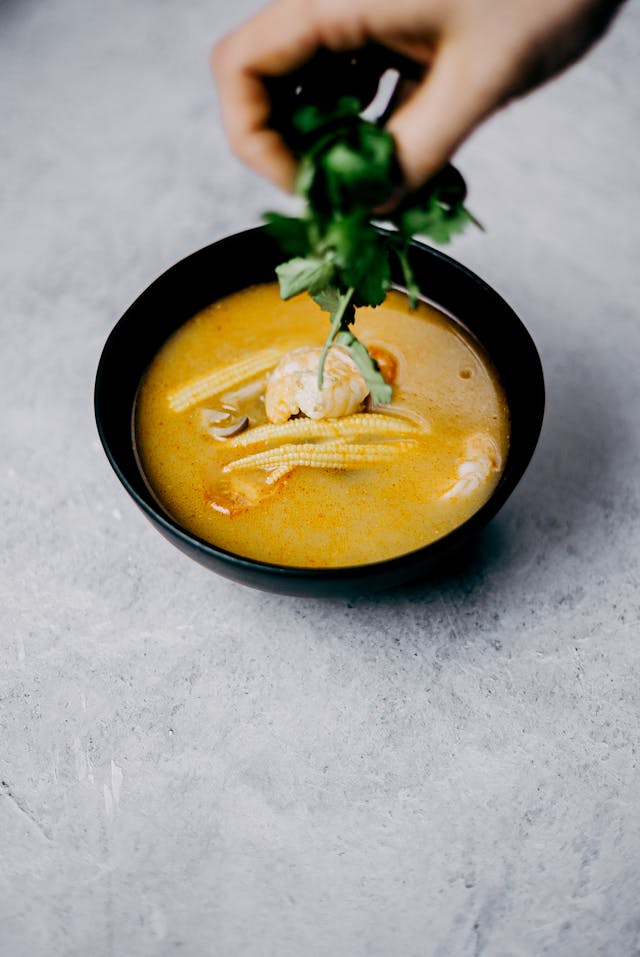
The Aromatic Power of Fresh Herbs
Fresh herbs are like the unsung heroes of the culinary world, capable of transforming an ordinary dish into a vibrant feast. Their ability to enhance flavors, add complexity, and infuse freshness makes them indispensable in modern cooking. However, to unlock their full potential, one must understand how to use them effectively.
Choosing the Right Herbs for Different Cuisines
Culinary traditions across the globe have harnessed the flavors of fresh herbs in unique ways. Here's how you can pair them with different cuisines:
Mediterranean Cuisine
Mediterranean dishes often rely on thyme, oregano, and basil. These herbs are perfect for tomato-based sauces, grilled meats, and salads. For example, a simple Caprese salad can be elevated by scattering torn basil leaves over ripe tomatoes and mozzarella.
Asian Cuisine
In Asian cuisine, cilantro, Thai basil, and mint are frequently used. A bowl of pho, a Vietnamese noodle soup, becomes irresistible with a handful of fresh cilantro and Thai basil added right before serving.
Mexican Cuisine
Cilantro is a staple in Mexican cooking, providing a fresh bite to salsas, tacos, and guacamole. Try adding chopped cilantro to your homemade salsa for an authentic touch.
Indian Cuisine
For Indian dishes, consider using coriander leaves (cilantro) and mint. They add freshness to rich curries and serve as a garnish for biryanis and kebabs.
Preparation Techniques for Maximum Flavor
To optimize the flavor of fresh herbs, proper preparation is crucial. Here are some techniques:
Chopping vs. Tearing
While chopping herbs like parsley or cilantro may seem straightforward, tearing them can often preserve their delicate aromas better. Use your hands to tear basil leaves over pasta just before serving to release its essential oils.
Muddling and Crushing
Muddling is a technique often used in cocktails but works equally well in the kitchen. Crush mint leaves gently before adding them to a lamb dish or beverage to extract more flavor.
Cooking with Fresh Herbs: Timing is Everything
The timing of when you add herbs to a dish can drastically change its flavor profile:
Early Addition for Depth
Add sturdy herbs like rosemary or thyme early in the cooking process for soups or stews to allow their flavors to meld into the dish.
Latter Stages for Brightness
Delicate herbs such as basil or dill should be added at the end of cooking or as a garnish to retain their vibrant flavors.
Herbal Infusions: Beyond the Basics
Infusing herbs into oils, vinegars, or butters provides another layer of flavor:
Herb-Infused Oils
Create an infused oil by heating olive oil gently with rosemary or garlic, then drizzling it over roasted vegetables or breads.
Aromatic Vinegars
Add tarragon or dill to vinegar for salad dressings that pack a punch. Simply steep fresh herbs in vinegar for a few weeks to extract their essence.
Case Study: Transforming a Simple Grilled Chicken
Consider a basic grilled chicken breast as our subject for experimentation:
- Start by marinating chicken breasts with olive oil, lemon juice, minced garlic, and freshly chopped rosemary.
- Grill until cooked through, then finish with a handful of chopped parsley and a sprinkle of fresh oregano.
The result is an elevated dish where each herb plays a distinct role: rosemary infuses during marination while parsley adds freshness post-grill.
The Seasonal Aspect of Herb Selection
Selecting herbs that are in season not only supports sustainable farming but also ensures optimal flavor:
- Spring: Embrace chives, dill, and tarragon.
- Summer: Opt for basil, mint, and oregano.
- Fall: Incorporate sage and thyme into heartier meals.
Avoid buying out-of-season herbs that might lack flavor due to long shipping times.
Storing Fresh Herbs for Longevity
Preserve the life of your fresh herbs with these storage tips:
- Wrap soft herbs like cilantro in damp paper towels and store them in plastic bags in the fridge.
- Place woody herbs like rosemary in a glass of water on your countertop.
This method helps maintain their vibrancy and usability for longer periods.
Cultivating Your Herb Garden
An ultimate way to ensure a steady supply of fresh herbs is by growing your own:
- Select easy-to-grow varieties like basil and mint for beginners.
- A sunny windowsill or balcony can provide sufficient light for indoor herb gardens.
This not only guarantees freshness but also enriches your cooking experience with the satisfaction of using homegrown ingredients.