
Deciding Between High-Temperature and Low-Temperature Methods for Stir-Fried Dishes
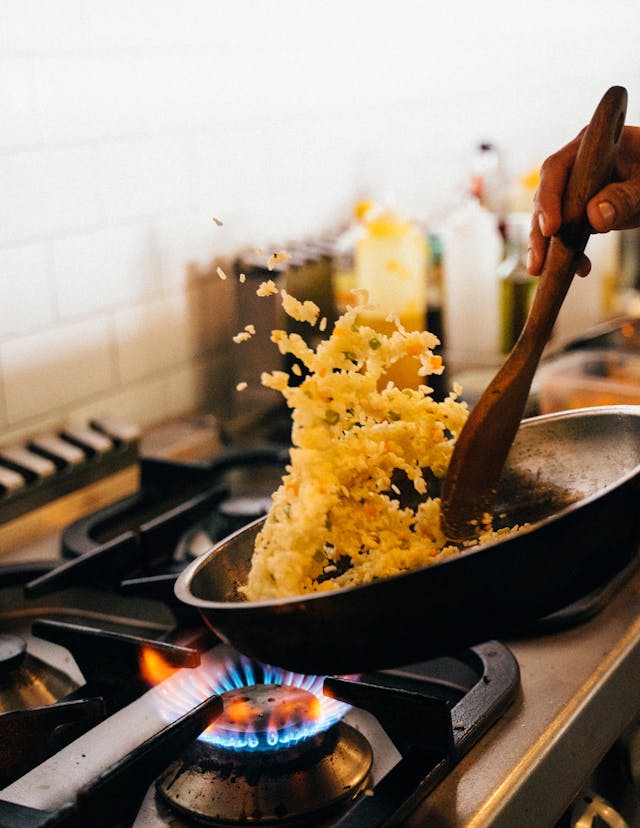
Understanding the Basics of Stir-Frying
Stir-frying is a quintessential cooking method in many Asian cuisines, characterized by its quick cooking process and high heat. The goal is to cook ingredients swiftly while preserving their color, texture, and nutritional value. However, the decision of whether to use a high-temperature or low-temperature method can significantly influence the outcome of your dish.
The Role of Temperature in Stir-Frying
Temperature is a crucial factor in stir-frying. It affects not only the cooking time but also the flavor development and texture of the ingredients. The right temperature can make the difference between a perfectly crisp vegetable and a soggy one, or tender chicken versus rubbery meat.
High-Temperature Stir-Frying
High-temperature stir-frying is often considered the traditional approach. This technique involves cooking ingredients quickly over a very hot surface, usually in a wok. The intense heat sears the ingredients, locking in juices and creating a distinct 'wok hei' or 'breath of the wok' – a sought-after smoky flavor achieved when food is cooked over an open flame at high heat.
Pros of High-Temperature Stir-Frying
- Rapid Cooking: High heat allows for rapid cooking, which helps retain nutrients and colors in vegetables.
- Enhanced Flavor: The method can impart unique flavors through caramelization and the Maillard reaction.
- Crisp Texture: Ideal for achieving a crisp texture, especially in vegetables like bell peppers and snap peas.
Cons of High-Temperature Stir-Frying
- Requires Precision: Needs constant attention to prevent burning.
- Special Equipment: A good-quality wok and powerful heat source are essential.
- Skill Level: Demands experience to manage heat and timing effectively.
Low-Temperature Stir-Frying
In contrast, low-temperature stir-frying involves cooking at a lower heat, often over medium or medium-high settings. This approach is more about gently cooking the ingredients without reaching the smoking point. It allows for a more controlled cooking environment and can be beneficial for certain types of ingredients.
Pros of Low-Temperature Stir-Frying
- Easier Control: Offers better control over cooking time and doneness, reducing the risk of burning food.
- Versatile for Different Ingredients: Suitable for delicate ingredients that may break down under high heat, such as tofu or seafood.
- Less Intimidating for Beginners: Provides a more forgiving environment for those new to stir-frying.
Cons of Low-Temperature Stir-Frying
- Lacks Wok Hei: Does not produce the same deep flavors associated with high-heat stir-frying.
- Texture Difference: Might result in less crisp textures.
- Slightly Longer Cooking Time: Takes longer to cook through ingredients fully.
When to Use Each Method
The choice between high-temperature and low-temperature stir-frying often depends on several factors including the type of dish you're preparing, the ingredients you have on hand, and your personal preference for flavor and texture.
High-Temperature: Best Uses
If you're aiming for dishes like beef with broccoli or spicy Szechuan chicken, where bold flavors and crisp textures are desired, high-temperature stir-frying is ideal. The quick sear will help maintain the crunchiness of vegetables while sealing in the flavors of proteins.
Low-Temperature: Best Uses
This method is preferable for dishes involving more delicate components, such as tofu stir-fries with softer vegetables like mushrooms. Low-temperature stir-frying provides gentle heat that's perfect for ensuring tender results without falling apart.
Practical Tips for Both Techniques
Preparing Ingredients
No matter which method you choose, proper preparation is crucial. Cut all ingredients to similar sizes to ensure even cooking. Marinades can add flavor and tenderize proteins before hitting the pan.
The Importance of Mise en Place
Mise en place – having everything prepped and ready to go – is vital in stir-frying. Given the speed at which both methods cook ingredients, having everything within reach ensures nothing is overcooked or left out.
Choosing the Right Oil
Selecting an oil with a high smoke point, such as peanut oil or canola oil, is essential, especially for high-temperature stir-frying. This prevents the oil from burning before your food cooks.
The Final Decision: Crafting Your Perfect Stir-Fry
The decision between high-temperature and low-temperature stir-frying ultimately comes down to understanding your ingredients and desired results. High-temperature is your go-to for vibrant flavors and textures typical of authentic Asian stir-fries. Low-temperature provides control and gentleness ideal for fragile items. Experiment with both methods to find what best suits your culinary style and palate. Embrace the art of stir-frying as a versatile technique capable of producing dishes that are not only delicious but also uniquely expressive of personal taste.